

A Charlotte summer can expose every weak point in an air conditioner. The best ways extend AC lifespan are not complicated, but they do require consistency: keep airflow clear, address small changes early, and have the system checked before a minor issue turns into a compressor failure. Most AC systems do not wear out overnight. They lose years through heat, restricted airflow, neglected parts, and repairs that were put off too long.
A properly installed, properly maintained central AC system may serve a home for 12 to 15 years, sometimes longer. Commercial equipment varies more because runtime, building load, and maintenance practices vary. Age alone is not a reason to replace equipment. The better question is whether the system is still operating efficiently, can be repaired reasonably, and is being protected from unnecessary strain.
Best Ways to Extend AC Lifespan Before Problems Start
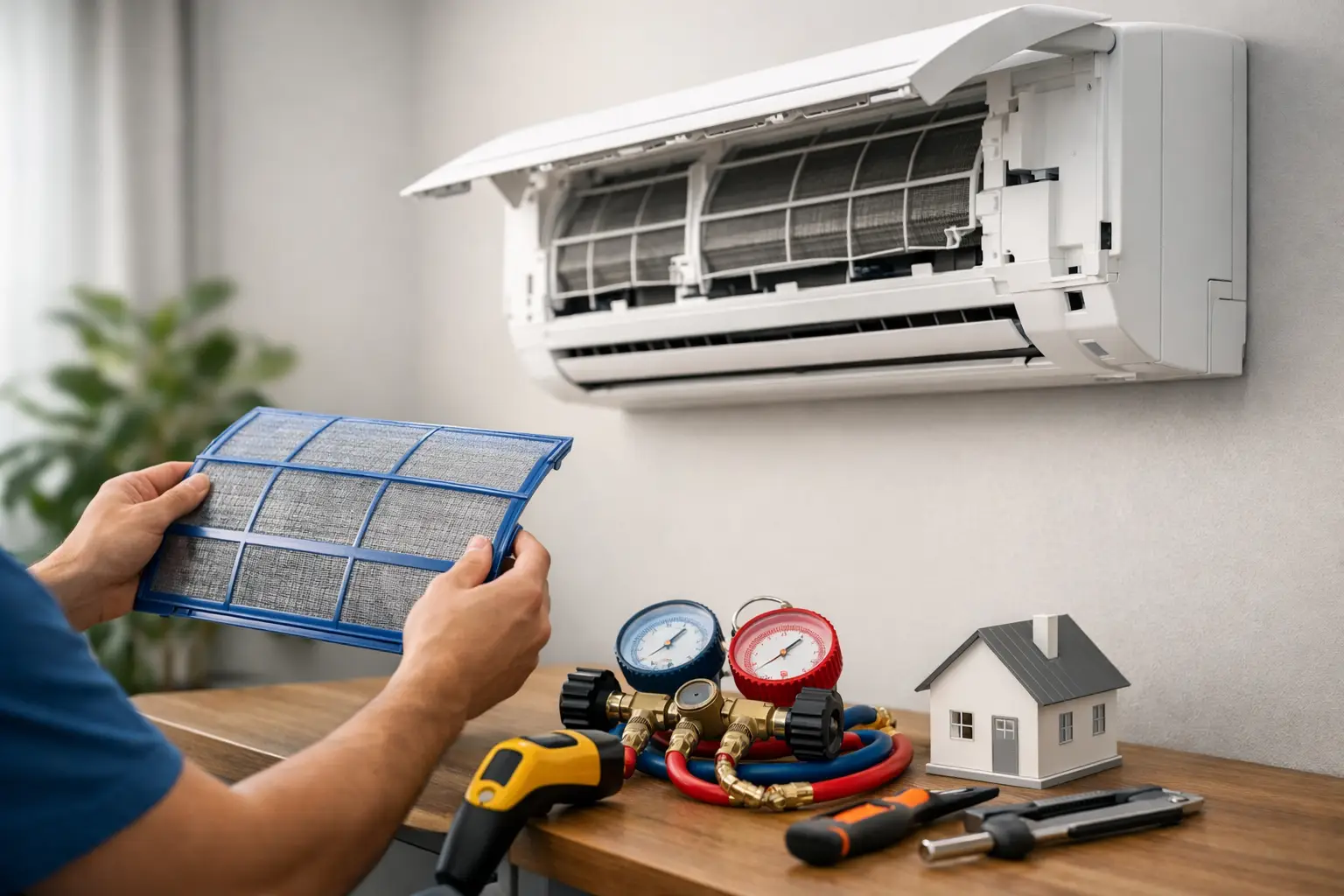
Change filters before they restrict airflow
A dirty air filter is one of the simplest ways to shorten an AC system’s life. When the filter is loaded with dust, pet hair, and debris, the blower has to work harder to move air. Reduced airflow can also make the evaporator coil too cold, leading to ice buildup, poor cooling, water problems, and extra stress on the compressor.
Check a one-inch filter monthly during cooling season. Many homes need a replacement every 30 to 90 days, but there is no universal schedule. A home with pets, smokers, renovations, or heavy summer use may need more frequent changes. High-efficiency filters can improve filtration, but an overly restrictive filter can create airflow problems if the system was not designed for it. Use the filter type your equipment can handle, not simply the highest-rated option on the shelf.
For commercial spaces, filter schedules should be based on occupancy, operating hours, and the condition of the building. A small office and a busy retail space do not load filters at the same rate.
Keep the outdoor unit clear and clean
Your outdoor condenser needs room to release heat. Leaves, pine needles, grass clippings, mulch, and overgrown shrubs trap heat around the unit and reduce efficiency. When the system cannot reject heat effectively, operating pressures rise and components work harder than they should.
Keep at least two feet of open space around the condenser and avoid stacking items against it. Do not cover the unit while it is running. After mowing, gently clear grass from the outer coil fins with a soft brush or light hose rinse. Turn off power first, and never use a pressure washer. High pressure can bend delicate coil fins and cause more harm than good.
If the coil is heavily impacted with dirt or the fins are damaged, leave the deeper cleaning to a technician. This is not a cosmetic issue. A dirty condenser coil can directly contribute to high energy use and premature compressor wear.
Give return vents and supply vents room to work
Closing vents in unused rooms might seem like an easy way to save money, but most residential systems are not designed to operate with many supply vents shut. Restricting airflow can increase static pressure, make rooms less balanced, and put added strain on the blower.
Keep return grilles open and free from furniture, rugs, drapes, or storage. Returns are where the system pulls air back for conditioning, so blocking them makes the entire system work harder. Supply registers should also remain open unless an HVAC professional has recommended a specific zoning or balancing adjustment.
If some rooms are consistently hot while others are cold, the answer may be duct leakage, poor insulation, an undersized return, thermostat location, or an equipment sizing issue. Closing vents treats the symptom, not the cause.
Use Your Thermostat Without Overworking the System
Air conditioners are built to run in cycles, and on very hot days they may run for extended periods. That is not automatically a problem. What causes trouble is frequent, unnecessary cycling or a system that never gets a break because the home is gaining too much heat.
Set the thermostat to a reasonable temperature and avoid large, repeated adjustments. Dropping the setting far below the indoor temperature will not cool the house faster. It only tells the system to run longer, which can increase utility use without improving comfort any sooner.
A programmable or smart thermostat can help when it is set up correctly. Modest temperature setbacks while the building is empty can reduce load, but dramatic daily swings may not be useful in every home. In a well-insulated home, a small adjustment is usually enough. In a commercial setting with long operating hours, scheduling should match occupancy while still allowing the building to recover comfortably before customers or employees arrive.
Humidity matters, too. In the Charlotte area, an AC system that is oversized may cool quickly but shut off before it removes enough moisture. The result can be a cool but clammy home, shorter cycles, and more wear from repeated starts. Proper sizing and setup matter as much as the thermostat setting.
Schedule Maintenance That Includes Real Diagnostics
Preventive maintenance is one of the strongest ways to extend AC lifespan because it gives a technician the chance to find wear before a breakdown. A useful tune-up is more than a quick look at the equipment. It should include checking electrical connections, capacitors, contactors, refrigerant performance, condensate drainage, blower operation, safety controls, coils, and overall airflow.
Electrical components often show warning signs before they fail completely. A weak capacitor, worn contactor, or loose connection can make starting harder on the compressor and fan motor. Catching that issue early is generally a straightforward repair. Waiting until the unit will not start on the hottest afternoon of the year can turn it into an emergency call and may lead to additional damage.
Have cooling maintenance performed before peak summer demand when possible. For businesses, planned maintenance is especially valuable because an unexpected AC outage can disrupt staff, customers, inventory, and tenant comfort. The goal is not to replace parts that still work. It is to identify actual risks and correct them before they create larger failures.
Do Not Ignore These Early Warning Signs
An air conditioner rarely fails without giving any clues. A system that needs more time to cool, makes new noises, trips breakers, leaks water, freezes up, or produces uneven temperatures needs attention. So does a noticeable increase in energy use when weather and household habits have not changed.
Some problems look small but should not be dismissed. A clogged condensate drain can cause water damage or shut the system down. Low refrigerant is not normal wear and tear – it usually indicates a leak that should be found and repaired. Repeatedly adding refrigerant without locating the leak is not a long-term fix.
Call for service if you notice burning smells, buzzing from electrical components, frequent breaker trips, or ice on refrigerant lines. Turn the system off if it is frozen or tripping the breaker repeatedly. Running it harder will not solve the underlying problem and can damage the compressor.
Protect the Whole System, Not Just the Outdoor Unit
AC longevity depends on more than the condenser outside. Ductwork, insulation, drainage, electrical supply, and indoor airflow all affect equipment stress. Leaky ducts can force the system to run longer. Poor attic insulation can let heat pour into the home. A neglected drain line can cause preventable shutdowns. Even a badly located thermostat can create short cycling and uneven comfort.
If you are replacing part of the system or considering a major repair, ask for a clear diagnosis. A new outdoor unit paired with an incompatible indoor coil, undersized ductwork, or an unresolved airflow issue may not deliver the lifespan or efficiency you expect. The lowest upfront price is not always the lowest long-term cost.
For older systems, repair versus replacement depends on the condition of the major components, repair history, refrigerant type, efficiency, and how reliably the system keeps the space comfortable. An honest technician should explain those factors plainly instead of treating every repair as a sales opportunity.
A well-maintained system gives you time to make decisions on your terms. Keep the airflow clear, pay attention to changes, and have a qualified technician investigate the real cause when something does not seem right. That approach protects both your equipment and your budget.