

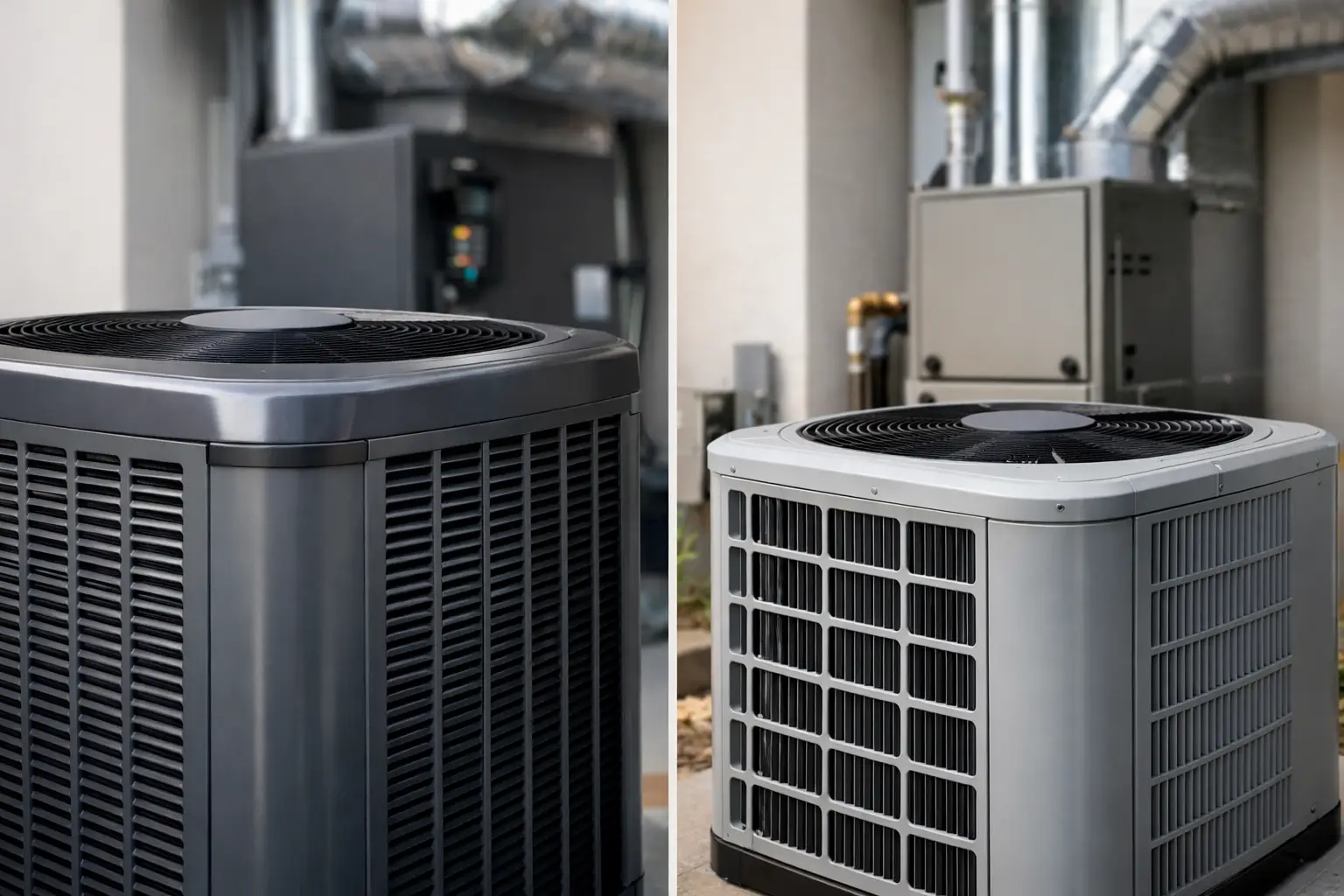
A Charlotte air conditioner can keep the thermostat at 72 degrees and still leave a home feeling sticky, uneven, or louder than it should. That is where the variable speed versus single stage HVAC conversation matters. These systems do not simply cool at different speeds. They manage run time, airflow, humidity, energy use, and indoor comfort in very different ways.
The right choice is not automatically the most expensive equipment. It depends on your home, ductwork, insulation, comfort expectations, budget, and whether the system is properly sized. A good HVAC recommendation starts with those facts, not a sales pitch.
Variable Speed Versus Single Stage: The Core Difference
A single-stage air conditioner, heat pump, or furnace generally has one output level. When it receives a call from the thermostat, it turns on at full capacity. Once the thermostat reaches its set temperature, it shuts off. This is the traditional setup found in many homes and small commercial spaces.
Variable-speed equipment can adjust its output over a broad range rather than operating only at full blast. Depending on the equipment, that may mean an inverter-driven compressor, a variable-speed blower motor, or both. Instead of running at 100 percent every time, the system can operate at a lower level for longer periods when demand is moderate.
There is an important technical detail homeowners should know: “variable speed” is often used loosely. A system may have a variable-speed indoor blower but a single-stage outdoor AC unit. That blower can improve airflow control and comfort, but it does not turn a single-stage compressor into a fully variable-capacity air conditioner. Ask what components are actually variable speed before comparing proposals.
How Each System Feels in a Charlotte Home
Single-stage systems cool quickly when they start. On a hot July afternoon, that can feel effective because you can hear and feel the system working. But full-capacity cycles can be short, especially when the equipment is oversized or outdoor temperatures are not at their peak.
Short cycles are not ideal for humidity control. Air conditioning removes moisture most effectively after the indoor coil has been cold for a while. If a system repeatedly starts, cools the air quickly, and stops, it may satisfy the thermostat before pulling enough moisture from the air. The result can be a house that feels cool but clammy.
Variable-speed equipment usually runs longer at lower output. That longer run time gives the system more opportunity to remove moisture and circulate conditioned air through the home. Many homeowners notice more even temperatures between rooms, fewer hot upstairs areas, and a steadier indoor feel during North Carolina’s humid cooling season.
That does not mean every comfort problem requires a variable-speed replacement. One hot bedroom may be caused by a disconnected duct, poor return-air design, an unsealed attic access, insufficient insulation, or a failing blower component. Those issues should be diagnosed before anyone recommends replacing the entire system.
Efficiency Is About More Than the Equipment Label
Variable-speed systems can use less energy because they do not have to start at full power every time the thermostat calls. Lower-speed operation generally requires less electricity, and longer, steadier cycles can reduce the waste associated with frequent starts and stops.
Still, equipment efficiency ratings do not guarantee lower utility bills. A high-efficiency system installed on undersized, leaking, or poorly designed ductwork cannot perform as intended. Neither can a system that is too large for the home. Oversizing is a common problem because bigger equipment sounds safer, but it can create short cycling, uneven temperatures, excess wear, and poor dehumidification.
For a replacement decision, proper load calculation matters more than a guess based on the old unit’s tonnage. The home may have changed since the previous system was installed. New windows, added insulation, a finished attic, a roof replacement, or more occupants can all affect heating and cooling needs.
Noise, Airflow, and Indoor Air Quality
Single-stage systems are usually more noticeable when they run. The outdoor unit starts at full output, and a standard blower may come on quickly at a fixed speed. That is not necessarily a problem. A properly installed single-stage system can be dependable, quiet enough, and comfortable for many homes.
A variable-speed blower ramps up and down gradually, which often reduces the sudden rush of air at registers. It can also keep air moving at a low level between major heating or cooling cycles. That steady circulation can help reduce temperature swings and give air filtration more operating time.
More fan run time is not automatically better, though. If ductwork passes through a humid attic, has air leaks, or lacks proper insulation, extended circulation can introduce unwanted heat or humidity. The condition of the ducts and the settings of the thermostat and air handler matter just as much as the motor technology.
Upfront Cost and Repair Considerations
Single-stage systems usually cost less to purchase and install. Their controls and components are generally simpler, and repairs may be less expensive depending on the problem. For a rental property, a lightly used space, or a homeowner who needs a reliable replacement within a tighter budget, a properly matched single-stage system can be the practical choice.
Variable-speed systems cost more upfront. They use more advanced electronics, communicating controls in some cases, and inverter technology that can deliver better comfort and efficiency. When repairs are needed outside warranty coverage, certain variable-speed components can also be more expensive than conventional parts.
That trade-off should be stated plainly. Variable speed is not a magic solution, and it is not the right financial fit for every building. Its value is strongest for people who prioritize humidity control, quieter operation, room-to-room consistency, and lower energy use over the long term.
For commercial property operators, the decision often comes down to occupancy patterns and downtime. A small office with predictable hours may do well with straightforward single-stage equipment. A business that needs steady comfort throughout long operating hours, or has humidity-sensitive areas, may benefit from equipment that can match changing loads more closely.
When Single Stage Makes Sense
A single-stage system may be a solid choice when the home has good ductwork, a reasonable layout, and no major comfort complaints. It can also make sense when the existing system failed unexpectedly and the priority is a dependable replacement without stretching the budget.
It is especially important not to confuse “basic” with “wrong.” A correctly sized single-stage system installed with proper airflow, refrigerant charge, drainage, and duct connections will outperform premium equipment installed carelessly. Installation quality is not an upgrade. It is the foundation of the system.
When Variable Speed Is Worth Considering
Variable speed is worth a closer look if your home has persistent humidity issues, noticeable temperature differences between floors, noise concerns, or a long cooling season with high utility bills. It can also be a good fit for newer or well-sealed homes where a traditional oversized system would cycle too quickly.
Before choosing it, make sure the rest of the system supports it. The duct system needs enough return air and supply capacity. The thermostat and controls must be compatible. If zoning is involved, the design must manage airflow correctly at lower operating speeds. These details determine whether the system delivers the comfort you are paying for.
Start With the Problem, Not the Equipment
If your current system is not cooling, running constantly, freezing up, or producing uneven temperatures, replacement may not be necessary. A dirty coil, clogged drain, low refrigerant caused by a leak, weak capacitor, failing blower motor, duct restriction, or thermostat issue can create symptoms that look like equipment failure.
That is why DDL Services starts with accurate diagnosis. If repair is the sensible option, you should be told that directly. If replacement is justified, the recommendation should explain the system size, equipment type, airflow needs, and the real trade-offs between variable speed and single stage.
The best HVAC system is the one that fits the building and solves the actual comfort problem. Whether that points to a dependable single-stage unit or variable-speed equipment, a clear diagnosis gives you a decision you can feel good about long after the first cool cycle.