

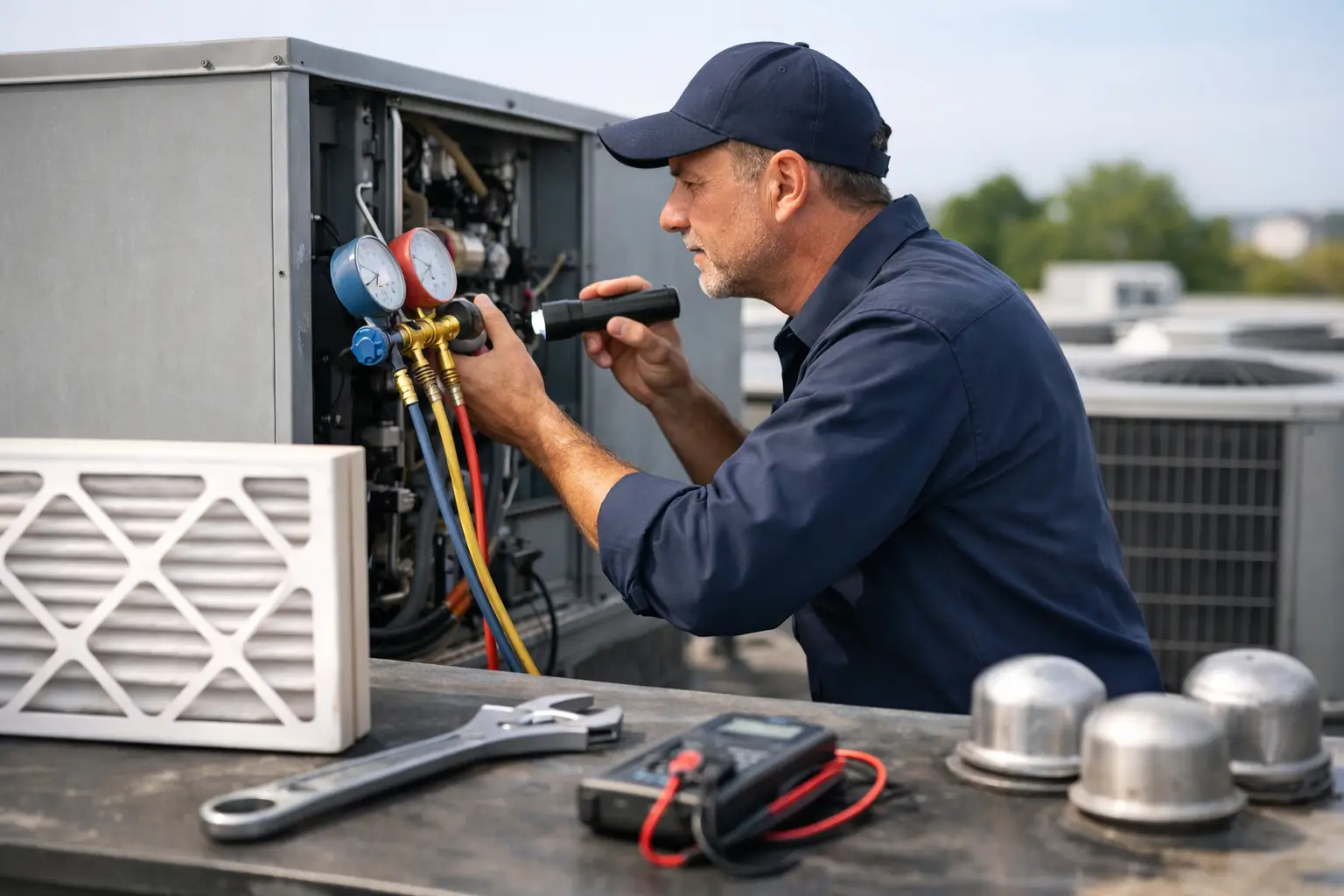
Most HVAC breakdowns do not start with a dramatic failure. They start with a clogged drain, a weak capacitor, a dirty coil, or an airflow issue that gets ignored until your system is working twice as hard in the middle of a Charlotte summer. That is why HVAC maintenance plan benefits are not just about convenience. They are about catching small problems early, keeping repair costs under control, and protecting the equipment you already paid for.
For homeowners, that means fewer uncomfortable weekends and less risk of getting pushed into a major replacement because a neglected issue turned into a serious one. For commercial property operators, it means fewer disruptions, more predictable service, and a better chance of avoiding expensive downtime when tenants, staff, or customers need the building comfortable.
Why HVAC maintenance plan benefits show up over time
A maintenance plan is not magic, and it does not mean your system will never need a repair. Any honest contractor should say that upfront. Parts wear out. Refrigerant leaks can develop. Motors fail. Controls can go bad.
What a maintenance plan does is improve the odds in your favor. Regular inspections, cleaning, testing, and adjustment help a technician find the real issue before it creates a chain reaction. In HVAC, one neglected problem often leads to another. Restricted airflow can stress the blower. Dirty coils can reduce efficiency and strain the compressor. Loose electrical connections can create intermittent problems that are hard to diagnose later.
That is where maintenance pays off. It gives your system a better chance to run the way it was designed to run.
1. Lower repair costs, or at least fewer expensive surprises
The biggest benefit for many property owners is simple: maintenance often reduces the chance of costly repair calls. A worn contactor or failing capacitor is a much easier situation to deal with than a compressor that has been damaged by long-term strain.
That does not mean every tune-up prevents a major repair. Sometimes a part fails without much warning. But regular service makes it more likely that weak components, drainage issues, electrical wear, and airflow problems will be spotted before they cause bigger damage.
This matters even more for older systems. If your equipment is not brand new, a maintenance plan can help you get more usable life out of it without pretending it will last forever.
2. Better efficiency and more stable utility bills
When an HVAC system is dirty or out of adjustment, it usually still runs. It just runs longer and harder than it should. That extra runtime shows up on your power bill.
Clean evaporator and condenser coils, proper refrigerant charge, strong airflow, and correctly operating controls all affect efficiency. Even something as basic as a dirty filter can reduce performance and make a system struggle to keep up.
A maintenance plan helps keep the system closer to its normal operating range. For homeowners, that can mean less sticker shock in peak summer and winter months. For businesses, it can mean better control over overhead costs, especially in buildings where HVAC runs for long hours every day.
The trade-off is that maintenance is not a shortcut to huge savings if the system is already oversized, poorly installed, or near the end of its life. But for properly matched equipment, routine service usually supports better day-to-day performance.
3. Longer equipment life
Replacing an HVAC system is a major expense. It makes sense to protect it.
One of the most practical HVAC maintenance plan benefits is that it can help your system last longer by reducing avoidable wear. Motors, compressors, fans, and electrical components all depend on proper operating conditions. If the system is overheating, short cycling, freezing up, or pulling more load than it should, the parts age faster.
Maintenance cannot stop normal aging, but it can reduce unnecessary stress. That is especially important in North Carolina, where cooling systems often work hard for long stretches and heating equipment still needs to be dependable during colder weather.
If you are trying to avoid replacing equipment before you truly need to, maintenance is one of the smartest steps you can take.
4. More reliable comfort when the weather gets serious
A lot of HVAC calls happen on the hottest or coldest days of the year. That is not a coincidence. Extreme weather exposes the systems that were already struggling.
Regular maintenance improves reliability because it gives a technician a chance to inspect the system before peak season hits. If there is a weak component, poor airflow, drainage problem, or performance issue, it is better to find it in a scheduled visit than during an emergency call.
For homeowners, that means a better chance of keeping the house comfortable when your family needs it most. For commercial properties, reliability matters even more. A comfort issue in an office, retail space, church, restaurant, or light commercial building can affect employee productivity, customer experience, and daily operations.
5. Cleaner airflow and fewer indoor air quality problems
Not every indoor air quality issue starts with the ductwork. Sometimes the HVAC system itself is contributing to the problem through dirt buildup, poor filtration, excess humidity, or drainage issues.
A maintenance visit often includes checking filters, inspecting coils, verifying airflow, and making sure condensate drains are working properly. Those steps help support cleaner air movement through the building.
This is not a promise that maintenance will solve every allergy or dust complaint. Indoor air quality can be affected by insulation, duct leakage, humidity levels, occupancy, pets, and building age. Still, keeping the HVAC system clean and operating properly is one of the basic steps that should not be skipped.
If you have ever noticed musty odors, uneven airflow, or a system that seems to run constantly without making the space feel better, maintenance can help identify whether the HVAC equipment is part of the issue.
6. More honest decisions about repair versus replacement
This benefit matters because many customers are tired of hearing that replacement is the answer to everything.
A good maintenance plan creates a service history. Over time, that gives you a clearer picture of how the system is actually performing, what parts are wearing out, and whether repairs still make financial sense. Instead of making a high-pressure decision during a breakdown, you have more information to work with.
That is valuable when a contractor takes a diagnostic approach instead of jumping straight to sales. If the issue is a failed part, a control problem, or a maintenance-related performance issue, you should be told that clearly. If the equipment truly is beyond cost-effective repair, you should hear that too.
The point is not to keep an old unit alive forever. The point is to make the right call based on facts, not fear.
7. Priority service and better scheduling control
Many maintenance plans include practical service advantages, such as priority scheduling or preferred customer status. That may not sound as important as compressor health or energy use, but when your AC quits during a heat wave, it matters.
For homeowners, faster access to service can mean less discomfort and less disruption to family routines. For commercial clients, it can mean getting a technician on site sooner before a comfort problem grows into a business problem.
This part depends on the contractor and the structure of the plan. Not all plans are built the same, so it is worth asking what is actually included. Some focus on tune-ups only. Others include discounts, priority response, or reduced after-hours costs. The right fit depends on how critical uptime is for your home or property.
8. Better budgeting and fewer reactive decisions
Emergency HVAC decisions are usually the most expensive ones. When the system fails unexpectedly, people are under pressure. They need cooling now, heat now, or a repair now. That urgency can lead to rushed choices.
A maintenance plan adds predictability. You know service is scheduled. You know the equipment is being checked. You are more likely to hear about wear issues in advance instead of during a total failure.
That helps with budgeting. Homeowners can prepare for likely repairs or future upgrades instead of getting blindsided. Commercial operators can plan around building needs, lease obligations, and operating costs with less guesswork.
In other words, maintenance does not just protect equipment. It gives you more control over the decisions tied to that equipment.
When a maintenance plan makes the most sense
If your system is older, works hard, serves a busy household, or supports a commercial space where downtime matters, a maintenance plan usually makes strong financial sense. The same is true if you have had recurring airflow issues, drainage problems, or seasonal performance complaints.
If your equipment is brand new, maintenance still matters because most manufacturers expect proper upkeep, and early service can catch installation-related problems before they become long-term headaches.
The exception is not that maintenance is unnecessary. It is that the value depends on the quality of the service. A quick visit that does little more than swap a filter and leave is not the same as a real inspection by a qualified technician. If you are paying for a plan, you should expect clear findings, straightforward explanations, and service that is focused on the actual condition of the system.
That is what makes the difference between a box-checking visit and maintenance that truly protects your equipment.
When your heating and cooling system is treated like something worth diagnosing instead of something to replace at the first opportunity, maintenance becomes more than routine service. It becomes a practical way to stay ahead of problems, protect your budget, and keep your home or business comfortable without the sales pressure.