

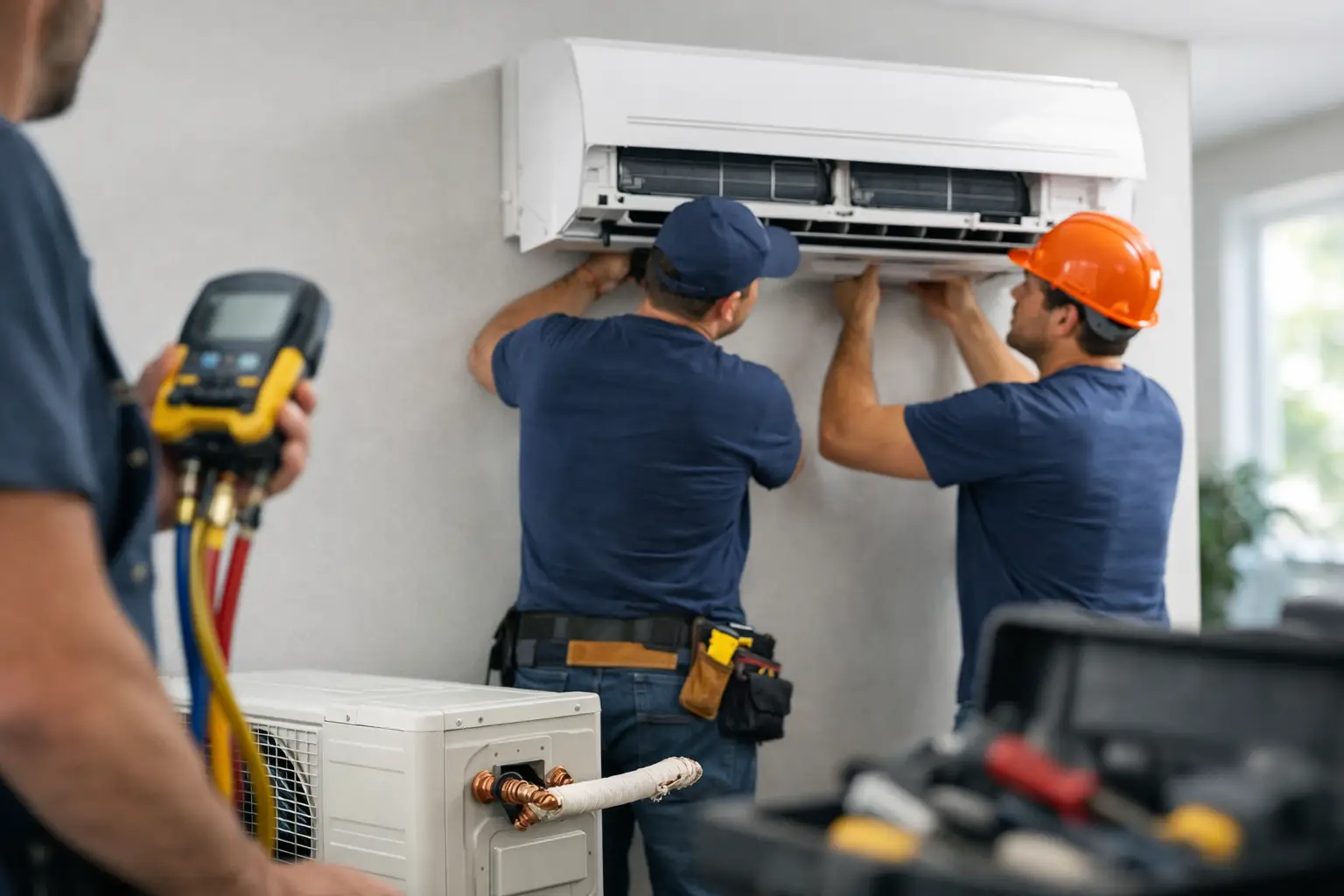
A new AC system can still cool poorly on day one if the installation is wrong. That is why a guide to AC installation mistakes matters so much. Most comfort problems people blame on the equipment are really setup, sizing, airflow, or workmanship problems that could have been avoided before the system was ever turned on.
For homeowners and property managers, this is where expensive frustration starts. The system runs, the house still feels sticky, some rooms stay warm, power bills climb, and before long someone is recommending another major repair. In many cases, the equipment is not the real issue. The installation is.
Why AC installation mistakes cost more than people expect
Bad installation does not always look dramatic. Sometimes there is no loud failure, no immediate leak, and no obvious breakdown. Instead, the signs show up slowly – short cycling, weak airflow, uneven temperatures, higher humidity, noisy operation, or a system that seems to run all afternoon without catching up.
That slow decline is what makes installation errors expensive. They strain the compressor, reduce efficiency, shorten equipment life, and create comfort complaints that never fully go away. A low-priced install can turn into years of higher operating costs and repeat service calls.
This is also why honest HVAC contractors spend more time on design, measurements, airflow, and setup than on sales talk. If the install is wrong, even a high-quality brand can underperform.
The most common mistakes in this guide to AC installation mistakes
Choosing the wrong system size
Oversized and undersized systems both cause problems, just in different ways.
An oversized AC cools the space too quickly and shuts off before it removes enough humidity. The home may hit the thermostat setting but still feel damp and uncomfortable. Short run times also increase wear from repeated starts and stops.
An undersized system has the opposite problem. It can run constantly during peak summer heat and still struggle to maintain temperature. That means higher utility bills, more stress on components, and a home or business that never feels consistently comfortable.
Proper sizing is not a guess based on square footage alone. It depends on insulation, windows, sun exposure, ceiling height, occupancy, duct performance, and other load factors. When a contractor skips that step, the customer usually pays for it later.
Ignoring ductwork condition
A new outdoor unit and coil will not fix bad ductwork. If the ducts are leaking, undersized, poorly routed, or clogged with years of buildup, the new system may never deliver the airflow it needs.
This is one of the biggest reasons people feel disappointed after replacement. They expected better comfort, but the real bottleneck was in the air distribution system all along. In older homes and some light commercial spaces, duct issues are common and often overlooked because they are less visible than the equipment.
Good installation means checking whether the duct system can support the new equipment, not assuming it can.
Poor refrigerant charging
Refrigerant is not something that should be topped off by feel or guessed at during startup. Too much or too little refrigerant can damage performance and reliability. It affects pressure, coil temperature, efficiency, and compressor health.
A system with an incorrect charge may cool somewhat, which is why this mistake can go unnoticed at first. But somewhat is not the same as properly. The system may use more electricity, remove less humidity, and wear out faster over time.
Correct charging requires proper measurements and manufacturer specifications. This is technical work, not a shortcut item.
Bad airflow setup
Airflow is one of the most overlooked parts of AC installation. Even when the equipment is the right size, poor airflow can make it perform like the wrong system.
This can come from blower settings that are not adjusted properly, restrictive filters, dirty coils, bad duct design, closed dampers, or return air problems. In some cases, installers focus heavily on the outdoor unit and give far less attention to static pressure and indoor air movement.
The result is predictable – hot and cold spots, weak comfort, icing issues, noise, and longer run times. Good AC installation is not only about cooling capacity. It is also about moving the right amount of air through the system.
Installation shortcuts that create long-term problems
Poor drain line and condensate setup
Air conditioners remove humidity, and that moisture has to drain correctly. If the condensate line is sloped wrong, loosely connected, unprotected, or left vulnerable to clogs, water problems follow.
Sometimes that means ceiling stains or water around the air handler. Other times it triggers float switches and system shutdowns. In commercial settings, poor drainage can also become a maintenance headache that interrupts business operations.
It is a simple part of the system, but getting it wrong can lead to real property damage.
Sloppy electrical work
Incorrect wire sizing, loose connections, poor disconnect placement, and weak grounding are not small details. They affect safety, reliability, and future serviceability.
Electrical issues can cause nuisance trips, hard starts, component damage, or intermittent failures that are frustrating to diagnose later. A clean install should look organized and deliberate, not rushed.
Weak vacuum and line set practices
When refrigerant lines are installed or reused, moisture, debris, and contaminants must be handled correctly. If the installer does not pull a proper vacuum or if the line set is not suitable for reuse, the system can suffer from performance problems and internal damage.
This is one of those mistakes customers rarely see, but it matters. What happens inside the sealed system affects the life of the compressor and the overall reliability of the equipment.
Poor equipment placement
Where the equipment sits matters more than people think. An outdoor unit placed with inadequate clearance can struggle with airflow and become harder to service. An indoor unit squeezed into a bad location may be difficult to maintain and more likely to create drainage or airflow issues.
Placement also affects noise, access, and long-term upkeep. The best spot is not always the fastest one to install.
How to spot trouble after a new AC installation
If the system is brand new but already showing problems, pay attention. A good install should not leave you guessing.
Warning signs include rooms cooling unevenly, indoor humidity staying high, unusually high electric bills, loud startup or shutdown sounds, short cycling, weak airflow from vents, or a system that seems to run constantly during normal summer weather. Water around the unit, frequent breaker trips, or repeated service visits in the first season are also red flags.
Some issues are minor and correctable. Others point to larger setup or design errors. Either way, early follow-up matters. The longer installation problems are ignored, the more likely they are to turn into equipment damage.
How to avoid AC installation mistakes before the job starts
The best protection is not buying the most expensive equipment. It is hiring a contractor who diagnoses the full system and explains the plan clearly.
Ask how the system will be sized. Ask whether ductwork, airflow, drain setup, and electrical connections will be evaluated. Ask what startup testing will be performed after installation. If the conversation jumps straight to brand names and replacement prices without much discussion of design or existing conditions, that is a warning sign.
It also helps to pay attention to how recommendations are presented. Honest contractors explain trade-offs. Sometimes a straightforward replacement is appropriate. Other times the better answer includes duct modifications, airflow corrections, or solving a repairable issue first instead of pushing a full system change.
That is the difference between a sales process and a service process.
Why the right installer matters as much as the equipment
A quality AC system installed poorly can disappoint you for years. A properly matched system installed with care has a much better chance of delivering the comfort, efficiency, and reliability you paid for.
That is why technician-led companies tend to approach installations differently. They are looking at pressures, temperatures, airflow, controls, drainage, and real-world performance – not just getting a box swapped out quickly. At DDL Services, that practical mindset is central to how HVAC work should be done: fix the actual problem, install equipment correctly when replacement is needed, and do not treat every customer like a sales target.
If you are considering a new AC system, slow the process down enough to ask the right questions. Good installation is not flashy, but you feel the difference every day after the job is done.