

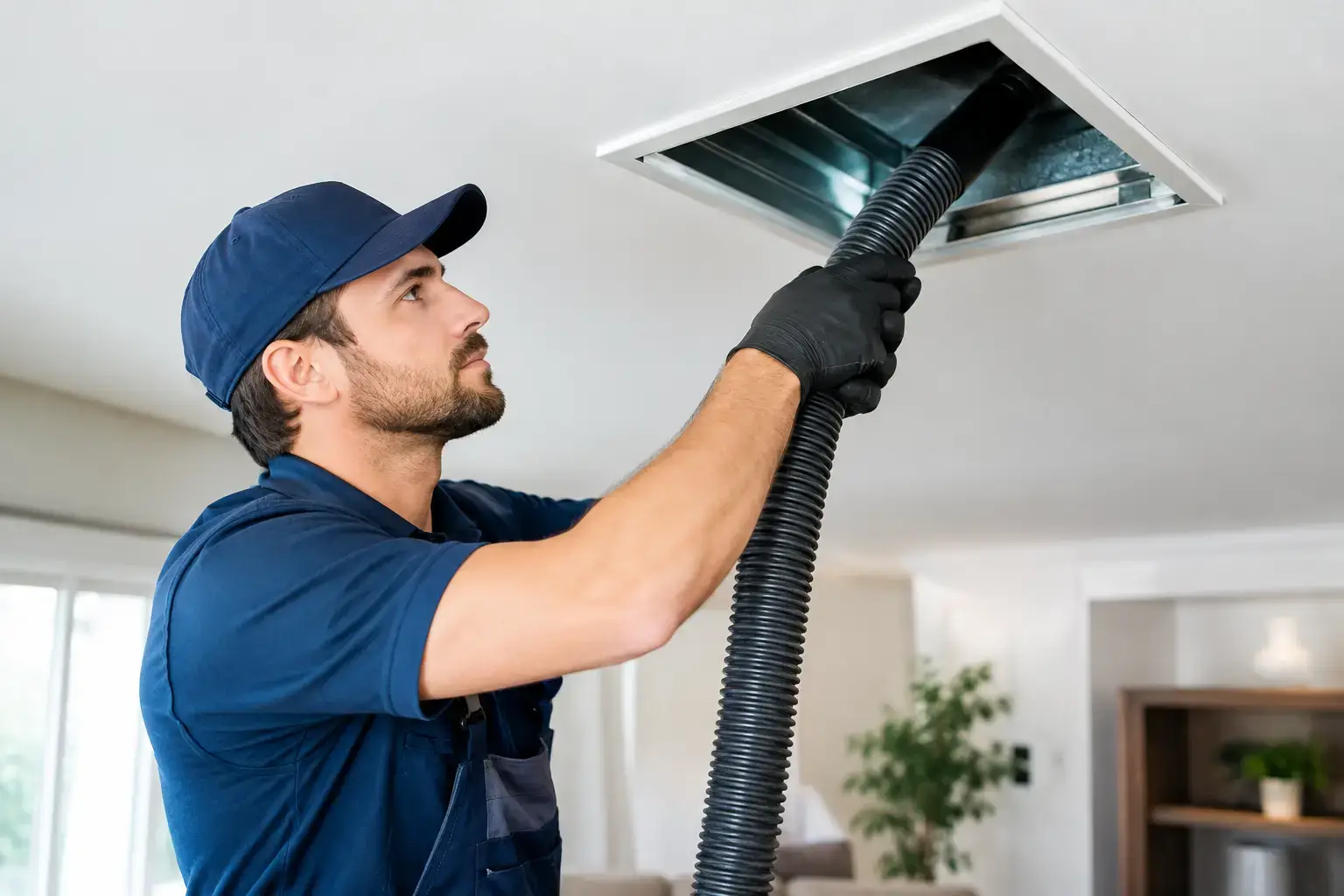
A low-price duct cleaning postcard can sound like an easy answer to dust, allergies, stale air, or high utility bills. But many of the top duct cleaning myths turn a reasonable maintenance question into an expensive sales pitch. Duct cleaning has a place in some homes and businesses, but it is not a cure-all for every indoor air quality or HVAC performance problem.
At DDL Services, we believe the first step is identifying the actual issue. If a system is not cooling, airflow is weak, or dust seems excessive, the cause could be a clogged filter, leaking ductwork, a blower problem, poor insulation, humidity, or something else entirely. Cleaning ducts before diagnosing the problem may spend money without fixing anything.
Top Duct Cleaning Myths That Cause Costly Decisions
Myth 1: Every home needs duct cleaning on a fixed schedule
There is no universal rule that says every home needs its ducts cleaned every year, every three years, or on any other automatic timetable. Homes are different. A household with multiple pets, recent construction work, smokers, a water event, or visible debris blowing from registers may have a stronger reason to consider cleaning than a clean, well-maintained home with good filtration.
What matters is evidence. Visible dust buildup inside accessible duct sections, confirmed mold growth, a pest infestation, or debris from renovation work are valid reasons to investigate. A reputable contractor should be willing to show you what they found and explain why cleaning is recommended. “It has been a while” by itself is not a diagnosis.
For commercial properties, the decision also depends on the building’s use. A small office, salon, daycare, restaurant, or warehouse may have different air quality demands and contamination risks. Even then, the right interval should follow the condition of the system, not a one-size-fits-all sales schedule.
Myth 2: Duct cleaning will solve allergies and respiratory symptoms
Clean ducts may reduce a source of settled dust or debris in certain situations, but they cannot promise relief from allergies, asthma, or other health concerns. Allergens can come from pets, carpeting, bedding, outdoor pollen, moisture, dirty coils, poor ventilation, and everyday activity inside the building.
If family members notice worsening symptoms only when the HVAC system runs, that deserves attention. Start with the basics: use the right filter for your system, replace it on schedule, check for moisture problems, and have the equipment inspected. An oversized or overly restrictive filter can also create airflow issues, so higher filtration is not automatically better.
A technician should never use health fears to pressure you into a service. If there is suspected mold, standing water, or a serious indoor air quality concern, get the source evaluated. The goal is to correct the condition causing the contamination, not simply clean around it.
Myth 3: Dusty vents mean the ducts are filthy
Dust on a supply or return grille is common. Air moves through those openings all day, and dust naturally collects on the surface. That alone does not tell you what the inside of the duct system looks like.
A dirty return grille may point to an overdue filter change or ordinary household dust. It can also happen when return air is pulling from a dusty area, such as an unfinished attic, crawl space, or utility room. Cleaning the grille is sensible, but assuming the entire duct system needs a major cleaning is a leap.
If you are concerned, ask for an inspection of accessible ductwork and the air handler. A good assessment looks beyond the vent cover. It checks filter condition, blower cleanliness, evaporator coil condition, duct connections, return-side leaks, and signs of moisture or pests.
Myth 4: Duct cleaning will fix weak airflow or hot and cold rooms
Weak airflow is usually a system performance issue, not a dust issue. Common causes include a clogged filter, a failing blower motor, improperly adjusted dampers, crushed or disconnected flex duct, undersized return ductwork, a dirty evaporator coil, or duct leaks. In some homes, the equipment or duct design was never properly matched to the space.
Cleaning can help if construction debris or heavy buildup is genuinely restricting a duct. That is less common than sales pitches make it sound. Most airflow complaints require diagnosis at the equipment and throughout the duct system.
The same is true for rooms that stay warmer or cooler than the rest of the house. Before anyone recommends cleaning, a technician should consider insulation, window exposure, thermostat location, duct sizing, return-air pathways, and equipment capacity. Real HVAC solutions start with measurements and evidence, not a guess.
Myth 5: Any low-price offer includes a complete duct cleaning
This is one of the top duct cleaning myths with the biggest potential for frustration. A very low advertised price may cover only a few vents, a limited amount of time, or an inspection that becomes an aggressive upsell once the crew arrives. Homeowners may then hear alarming claims about mold, dangerous dust, or urgent sanitizing without clear proof.
Before booking, ask what is included. Does the price cover supply ducts, return ducts, registers, the main trunk lines, and the air handler area? How many vents are included? Is the company licensed and insured for HVAC work when the service involves HVAC components? Will they use negative-pressure equipment and protect the home while working?
Also ask whether additional treatments are optional and why they are necessary. Sanitizers, sealants, and deodorizing products are not automatic requirements. They should not be added because a technician says the system “smells dusty.” Any recommendation should come with a clear explanation of the problem, the expected benefit, and the cost.
Myth 6: Cleaning ducts makes an old HVAC system run like new
A clean duct system does not repair an aging compressor, a weak capacitor, low refrigerant caused by a leak, a failing blower, or worn electrical components. It also cannot make an incorrectly sized system suddenly meet the heating and cooling needs of the building.
Maintenance matters, but it must focus on the equipment as well as the ducts. Seasonal service should include checking operating performance, electrical components, drainage, refrigerant-related concerns, blower operation, coils, and overall airflow. When a repair is the sensible solution, it should be explained plainly. Replacement should be discussed when the condition, reliability, efficiency, or repair cost truly supports it.
That practical distinction protects customers from paying for a cleaning when they need a repair, or being pushed into replacing equipment that can be fixed.
Myth 7: You can ignore duct cleaning after remodeling or a pest problem
This myth goes in the other direction. There are times when duct cleaning deserves serious consideration. Drywall dust, sawdust, insulation particles, and other renovation debris can enter open registers or return ducts. Pest activity can leave droppings, nesting material, odors, and damaged insulation. Water intrusion can create conditions that need prompt attention.
In these cases, cleaning should be part of a larger correction. Seal openings that allowed pests in. Repair roof, plumbing, or drainage issues that caused moisture. Make sure construction crews protect registers during future work. If a problem is not corrected, the ducts can become contaminated again.
What a Straight Answer Looks Like
When you call about duct cleaning, expect questions before a recommendation. What are you seeing or smelling? Did the issue begin after construction, water damage, or a pest problem? Is airflow poor? Has the filter been changed recently? Are there visible signs of debris or moisture?
A qualified HVAC professional may recommend cleaning, inspection, repair, maintenance, or no duct service at all. That last answer can be the most honest one. The right service is the one that addresses the real problem, protects your equipment, and makes sense for your home or business.
If you are unsure whether your ducts need attention, document what you notice, change the filter if it is due, and ask for an explanation you can understand. Clear evidence and practical recommendations are worth more than a bargain offer that creates a bigger bill at the door.