

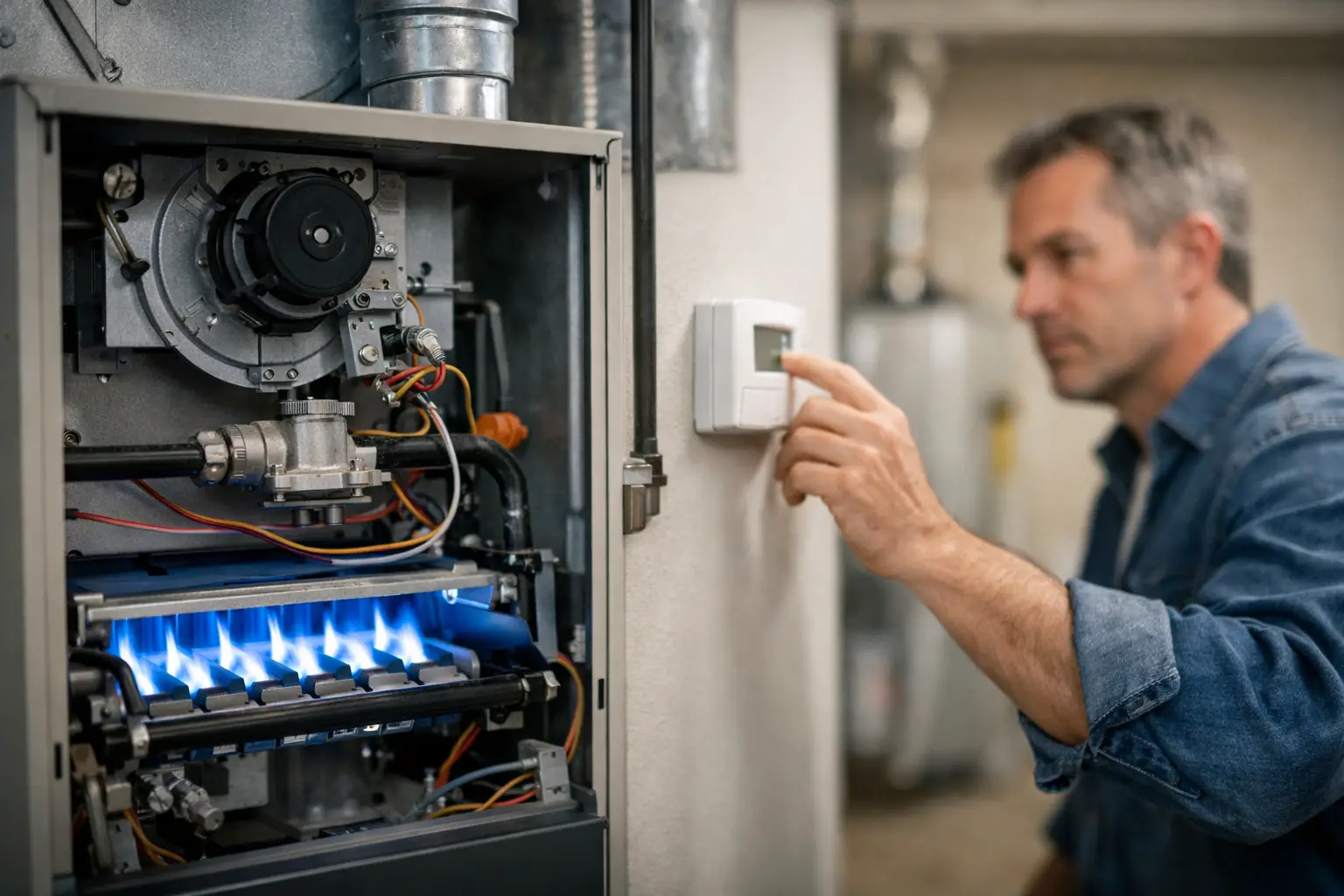
A furnace that starts, runs briefly, shuts off, and then starts again is not just annoying. It can leave rooms unevenly heated, drive up utility costs, and put unnecessary wear on parts that were built for normal heating cycles. If you are asking, why is my furnace cycling frequently, the answer may be as simple as restricted airflow – or it may point to a safety control doing its job.
A normal furnace cycle often runs for 10 to 15 minutes, though outdoor temperature, insulation, thermostat settings, and furnace size all affect that timing. Cycling every few minutes, especially before the house reaches the thermostat setting, is commonly called short cycling. The right fix starts with finding out why the furnace is shutting down. Replacing equipment without diagnosing that cause is not an honest solution.
What Frequent Furnace Cycling Usually Means
Your furnace is designed to shut itself off when it detects an unsafe operating condition. For example, if heat cannot move through the system because airflow is restricted, the furnace may overheat. A high-limit safety switch then turns off the burners. Once the unit cools, it may restart and repeat the process.
Other problems can interrupt the heating sequence before the furnace completes a normal cycle. A dirty flame sensor may fail to confirm that the burners are lit. A venting issue may affect the pressure switch. A thermostat may be reading the wrong temperature. Each issue can look similar from the living room, but the repair is different.
That is why a technician should test the system instead of guessing based on the symptom alone.
Common Reasons a Furnace Cycles Too Often
A clogged air filter or blocked airflow
This is the first thing to check. A heavily loaded filter limits the air moving across the heat exchanger. Heat builds up inside the furnace, and the high-limit switch may shut the burners down to prevent damage.
A blocked return grille, closed supply registers, a dirty blower wheel, or undersized ductwork can create similar problems. Homeowners sometimes close vents in unused rooms to save money, but closing too many can reduce airflow enough to cause overheating. Keep return grilles clear of furniture, rugs, and stored items, and leave most supply vents open.
Replacing a dirty filter may solve the issue, but do not assume the filter is the only cause if the problem returns. A filter that gets dirty unusually fast can point to duct leakage, poor filtration setup, or indoor air quality concerns that deserve attention.
A thermostat in the wrong location or with the wrong settings
A thermostat located near a supply vent, exterior door, sunny window, kitchen, or heat-producing appliance can sense a temperature that does not represent the rest of the house. It may satisfy too quickly, shut the furnace off, and call for heat again shortly after.
Check that the thermostat is set to Heat and that the fan is set to Auto. If it uses batteries, replace them. Also make sure no warm air is blowing directly onto it. Smart thermostats can add another variable: an aggressive temperature schedule, recovery setting, or equipment configuration can make the system appear to cycle more than expected.
Thermostat issues are often straightforward, but wiring faults or incorrect setup should be handled by a qualified HVAC technician.
A dirty flame sensor
Many gas furnaces use a flame sensor as a safety device. After ignition, the sensor confirms that a flame is present. If it is coated with residue, it may not detect the flame correctly. The furnace can then shut the gas valve within seconds as a safety precaution.
The blower may continue running for a short time, which can make the sequence confusing. You may hear the furnace ignite, then stop almost immediately. This is a common repair, but the sensor should be cleaned and the ignition sequence checked correctly. A technician should also confirm there is not a separate gas, burner, grounding, or control issue causing the same symptom.
Venting or pressure switch problems
High-efficiency furnaces bring in combustion air and exhaust gases through PVC pipes, often on an exterior wall. Leaves, insect nests, snow, ice, standing water, or a loose pipe connection can interfere with proper venting. Older furnaces may have issues with a metal flue, chimney draft, or combustion air supply.
The pressure switch is a safety component that verifies the draft system is operating as intended. It should never be bypassed. If a furnace is cycling because of a pressure-related fault, the repair could involve clearing a vent obstruction, correcting drainage, repairing a condensate issue, or diagnosing the inducer motor and related controls.
An overheating furnace or failing limit switch
If the furnace runs for several minutes before shutting off, then restarts after a cool-down period, overheating is more likely. Airflow restrictions are common, but a weak blower motor, failing capacitor, dirty evaporator coil above the furnace, or duct design problem can also contribute.
A failed high-limit switch can create intermittent operation too. The switch is a safety device, not the root cause by default. Replacing it without checking temperatures and airflow can leave the real problem in place and may lead to more expensive damage later.
An oversized furnace
A furnace that is too large for the home can heat the thermostat area very quickly and shut off before distributing heat evenly. This is especially noticeable in mild Charlotte winters, when the home needs only a small amount of heat but the furnace delivers too much at once.
Oversizing is possible, but it is not the first conclusion to jump to. A properly sized system can still short cycle because of a dirty filter, thermostat problem, duct issue, or safety shutdown. A technician should evaluate run times, temperature rise, ductwork, and the home’s heating load before recommending replacement.
Duct leaks and zoning issues
Leaky ducts in an attic, crawlspace, or garage can reduce the conditioned air reaching the rooms. In homes with zoning dampers, a stuck damper or improperly configured zone panel can restrict airflow and cause a furnace to overheat.
These issues are easy to miss because the furnace itself may be operating normally at first. The real problem is that the air it produces has nowhere to go, or it is escaping before it reaches the living space. Uneven room temperatures, noisy airflow, and high utility bills are useful clues.
Safe Checks You Can Make Before Calling
There are a few practical checks that do not involve opening the furnace cabinet or working around gas and electrical components:
- Replace the air filter if it is dirty, collapsed, or overdue for service. Use the filter type and size recommended for the system.
- Confirm that supply registers are open and that return grilles are unobstructed.
- Verify the thermostat setting, battery condition, and placement near heat sources or vents.
- Look at exterior furnace intake and exhaust terminations from a safe distance. Remove loose leaves or obvious debris around them, but do not dismantle piping.
If the furnace continues to short cycle after these checks, it needs diagnosis. Avoid repeatedly resetting the furnace or turning it on and off at the thermostat. That may temporarily change the symptom, but it does not correct an overheating, ignition, venting, or electrical problem.
When Frequent Cycling Becomes an Urgent Call
Turn the furnace off and seek professional help promptly if you smell gas, notice a burning odor that does not quickly fade after the first seasonal startup, hear a boom at ignition, see soot, or have a carbon monoxide alarm activate. Leave the building and contact the appropriate emergency service if you suspect a gas leak or carbon monoxide exposure.
You should also schedule service soon if the furnace is not maintaining temperature, the blower runs constantly, the unit trips a breaker, or the short cycling is happening several times per hour. Continued overheating can stress the heat exchanger, blower motor, igniter, and control board. Catching the problem early is usually less costly than waiting for a complete no-heat failure.
Why Diagnosis Matters More Than a Quick Part Swap
Frequent cycling is a symptom, not a diagnosis. A good furnace service visit should include checking the filter and airflow, reading fault codes, inspecting the ignition and flame-sensing sequence, verifying venting, and measuring operating temperatures. Depending on the equipment, it may also involve checking gas pressure, blower performance, condensate drainage, and thermostat operation.
For homeowners and property managers, the practical question is not just whether the furnace can be made to run again. It is whether the repair addresses the condition that caused the shutdown. DDL Services approaches heating problems that way: identify the actual fault, explain what was found, and recommend the repair that makes sense before discussing replacement.
A furnace that cycles frequently is asking for attention, not necessarily a new system. Give it a clean filter, clear airflow, and a proper diagnosis before a small operating issue becomes a cold-house emergency.