

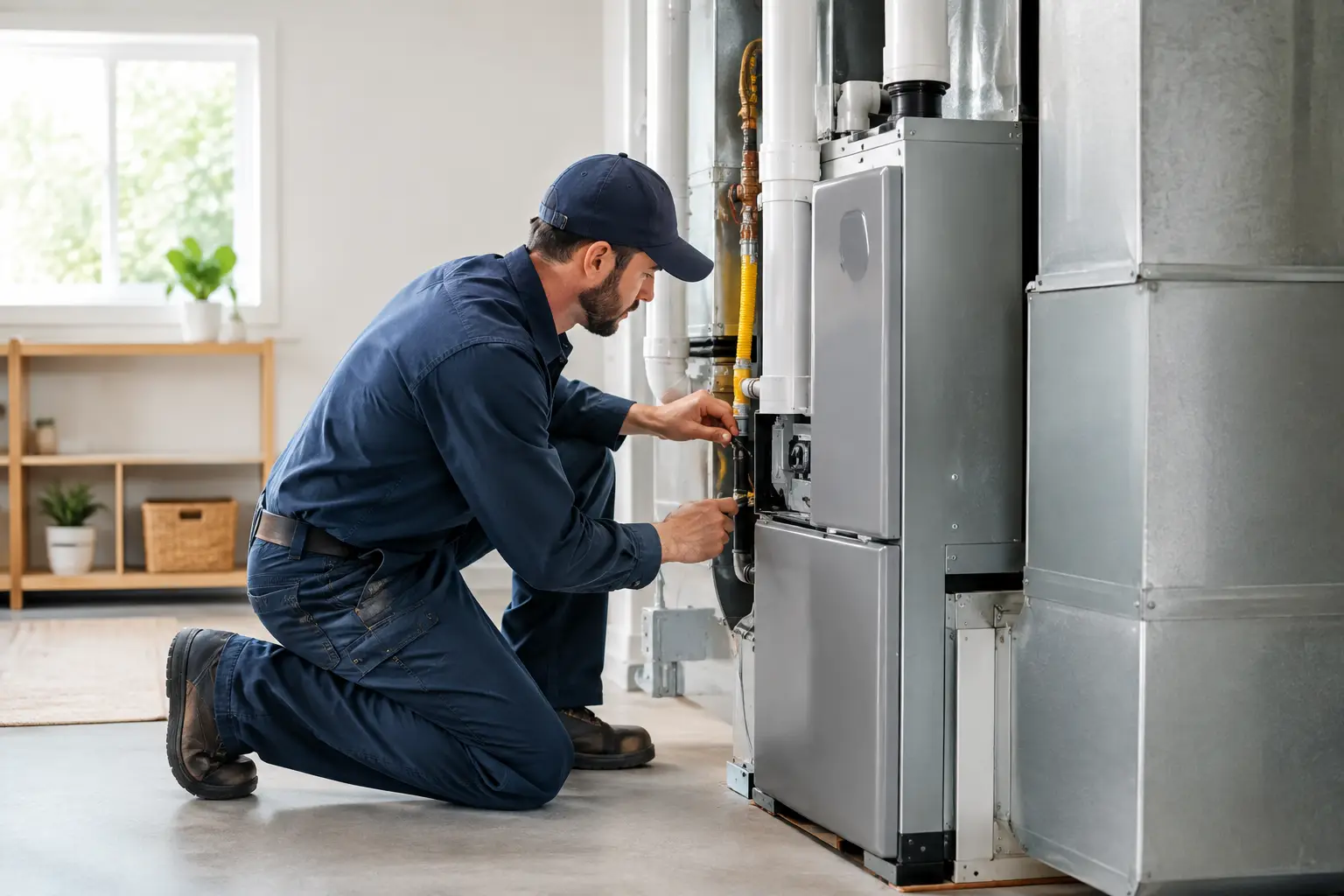
A furnace that quits on a cold Charlotte morning creates pressure. That pressure is exactly when homeowners are most likely to hear, “You need a whole new system,” without a clear explanation of why. Furnace installation is sometimes the right answer, especially for older, unsafe, or repeatedly failing equipment. But it should follow an honest diagnosis, not replace one.
The right installation gives your home dependable heat, reasonable operating costs, and safe operation for years. The wrong one can leave you with uneven rooms, higher utility bills, noisy airflow, and a system that wears out sooner than it should. The equipment matters, but the planning and workmanship behind it matter just as much.
When Furnace Installation Is Actually the Right Call
A repair can often restore a furnace with a failed igniter, worn blower component, faulty control board, dirty flame sensor, or thermostat issue. Those are real repairs, and none automatically mean the furnace needs to be replaced. A technician should identify the failed part, explain the condition of the equipment, and give you a practical repair option when one makes sense.
Replacement becomes more reasonable when repairs are frequent and expensive, major components have failed, the heat exchanger is cracked, or the furnace is nearing the end of its service life and no longer operating reliably. Safety concerns change the conversation quickly. A compromised heat exchanger, improper venting, or combustion issue needs prompt professional attention.
Efficiency can also be a valid reason to upgrade, but it should be discussed honestly. A higher-efficiency furnace may lower fuel use, particularly if the existing unit is very old. The savings depend on your fuel costs, insulation, duct condition, thermostat settings, and how the home is used. Buying the highest efficiency rating available is not automatically the best financial choice for every property.
Proper Furnace Installation Starts With Sizing
One of the biggest installation mistakes is choosing a furnace based only on the size of the old unit. Older equipment may have been oversized from the beginning, or the home may have changed since it was installed. New windows, added insulation, a finished basement, an addition, or duct modifications can all affect heating demand.
A properly matched furnace is selected using more than square footage. A qualified HVAC contractor considers the home’s layout, insulation levels, window exposure, ceiling height, duct capacity, air leakage, and local climate. For many homes, a load calculation is the clearest way to determine the required capacity.
An oversized furnace may heat the house too quickly, then shut off before air circulates evenly. This short cycling can create hot and cold rooms, increase wear on components, and reduce comfort. An undersized furnace may run for long periods and struggle during colder weather. The goal is not the biggest furnace. It is the right furnace for the building and the duct system serving it.
For commercial spaces, sizing requires the same discipline with additional factors. Occupancy, operating hours, equipment heat, doors opening throughout the day, and zone-by-zone needs all affect the recommendation. A small office, retail space, or workshop should not receive a one-size-fits-all answer.
What a Professional Installation Should Include
The installation day is not simply a swap of one cabinet for another. A careful crew verifies the equipment, protects the work area, removes the old furnace safely, and checks the supporting systems before the new unit is started.
For a gas furnace, that includes confirming safe gas piping, proper shutoff access, correct venting, combustion air requirements, and drainage for high-efficiency equipment. High-efficiency condensing furnaces produce water during operation, so the condensate line must be routed and trapped correctly. Poor drainage can cause shutdowns, water damage, and wintertime problems.
The electrical side matters too. The disconnect, wiring, grounding, circuit protection, thermostat connections, and blower settings all need attention. If the furnace works with an air conditioner or heat pump, the indoor coil, refrigerant system, and controls should be reviewed as a complete system. Installing a new furnace while ignoring a damaged coil, restricted filter setup, or poor return airflow can limit the result.
Ductwork deserves a close look. Leaky, undersized, disconnected, or poorly designed ducts can make a good furnace appear weak. Sometimes the practical solution is a repair or targeted duct modification, not a full duct replacement. The key is explaining what is actually causing the comfort issue and what each option will accomplish.
A dependable installation should also include these final checks:
- Confirming correct gas pressure, ignition, flame operation, and safety control performance
- Testing temperature rise and adjusting airflow to manufacturer specifications
- Checking carbon monoxide safety and verifying venting performance
- Reviewing thermostat operation, filter access, and basic maintenance with the customer
Permits and code requirements are not optional details. They help protect occupants and confirm that safety-critical work has been completed to the required standard. In North Carolina, homeowners and property operators should expect licensed HVAC work and a clear explanation of any permit or inspection requirements that apply to the project.
Choosing Features Without Paying for the Wrong Ones
Furnaces are commonly compared by AFUE, or Annual Fuel Utilization Efficiency. A higher AFUE rating means more of the fuel is converted into usable heat under standardized conditions. That rating is useful, but it is only one part of the decision.
A single-stage furnace operates at full output when it runs. It can be a sensible, cost-conscious option for some homes. Two-stage and variable-capacity models can provide steadier temperatures and quieter operation because they can run at lower output much of the time. They typically cost more upfront and may be a better fit for homeowners who prioritize comfort, longer run times, and more precise control.
The blower motor also affects comfort. Variable-speed blowers can improve circulation and may help with humidity management when paired with cooling equipment. However, a feature only adds value when it is installed, configured, and supported correctly. A good contractor explains the benefits in plain language instead of presenting upgrades as mandatory.
If you are replacing both heating and cooling equipment, matching the indoor and outdoor components can be especially important. Properly matched systems are designed to work together for performance, efficiency, and warranty compliance. If only the furnace is being replaced, the existing air conditioner or heat pump should still be evaluated for compatibility.
Questions Worth Asking Before You Approve the Work
You do not need to become an HVAC technician to make a sound decision. You do deserve answers that are specific to your home or building. Ask why replacement is recommended instead of repair, how the new furnace size was determined, whether your ducts and thermostat are compatible, and what work is included in the quoted price.
It is also reasonable to ask about warranty coverage, permit handling, expected installation time, filter size, and maintenance needs. Be cautious if a contractor cannot explain the diagnosis, refuses to discuss repair options, or pushes a same-day replacement decision without addressing the actual condition of the system.
At DDL Services, the standard is straightforward: find the real problem, explain the options clearly, and recommend replacement only when it is the practical solution. That approach protects homeowners and business operators from spending money on equipment when a proper repair would do the job.
Protecting a New Furnace After Installation
A new furnace needs basic care to stay dependable. Check the filter regularly and replace it on the schedule appropriate for the filter type, household conditions, and system use. A clogged filter restricts airflow and can lead to overheating, reduced comfort, and unnecessary strain on the blower.
Annual professional maintenance is also worthwhile. It gives a technician the chance to inspect combustion, clean components, test safeties, check airflow, and spot small concerns before they become no-heat calls. For commercial properties, scheduled maintenance can reduce disruptions during business hours and make budgeting for repairs more predictable.
Keep supply registers and return grilles open and unobstructed. If some rooms stay colder than others after a new installation, do not assume the furnace itself is the problem. The cause may be duct balance, insulation, airflow restrictions, or thermostat location. Those issues can usually be diagnosed and addressed with a focused solution.
A furnace is a major investment, but it should never feel like a mystery purchase. The best result comes from an accurate diagnosis, equipment sized for the space, careful installation, and testing that proves the system is operating safely. When the explanation is clear and the recommendation fits the real problem, you can move forward without the pressure of a sales pitch.