

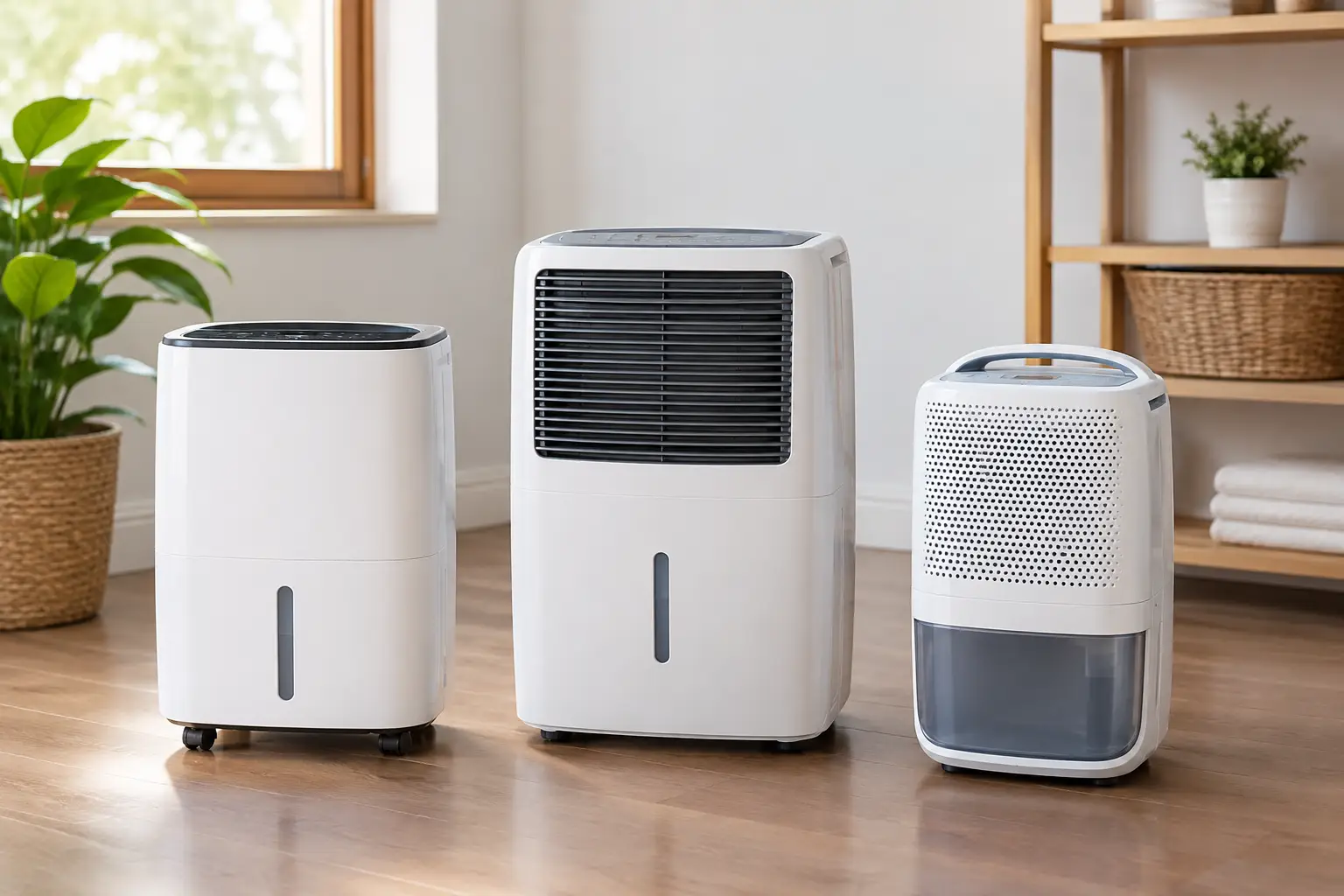
A Charlotte summer can make a properly working air conditioner feel like it is losing the fight. The thermostat may say 72 degrees, but rooms still feel sticky, windows sweat, and the air has that damp, heavy feel. In many cases, homeowners looking for the best dehumidifiers for HVAC homes do not need a bigger AC system. They need a humidity solution that matches the house, the HVAC equipment, and the actual moisture problem.
A dehumidifier is not a cure for every comfort issue. Poor airflow, oversized equipment, duct leaks, clogged condensate drains, and refrigeration problems can all affect indoor humidity. That is why the first step should be finding the real cause, not buying the largest unit on the shelf.
When an HVAC Home Needs Extra Dehumidification
Air conditioning naturally removes some moisture as it cools the air. During a typical North Carolina summer, that may be enough. But several common conditions can leave a home damp even when the AC runs.
An oversized air conditioner is one example. It cools the house quickly and shuts off before it runs long enough to remove much moisture. A newer, high-efficiency system may also struggle if ductwork was not properly designed or balanced. Homes with crawl spaces, unfinished basements, frequent door traffic, leaky windows, or high indoor occupancy can have a heavier moisture load than the HVAC system was designed to handle.
Watch for recurring signs: musty odors, condensation on windows or supply vents, clammy sheets, warped wood flooring, mildew around bathrooms, or a home that feels uncomfortable below 75 degrees. Ideally, most homes should stay near 40% to 55% relative humidity. Consistently above 60% can encourage mold growth, dust mites, and moisture damage.
Before adding equipment, have the system checked if humidity rose suddenly or the AC is no longer cooling as it should. A dirty evaporator coil, low refrigerant, restricted airflow, or drainage issue deserves a repair, not a sales pitch for unrelated equipment.
Best Dehumidifiers for HVAC Homes: Choose the Right Type
For most full-time humidity problems, a whole-home dehumidifier is the practical choice. It is installed alongside the HVAC system, usually near the air handler or in a mechanical area. It draws in humid air, removes moisture, and returns drier air through dedicated ducting or the existing duct system.
Whole-home units work across the house without filling bedrooms with portable appliances. They are quieter in living spaces, have larger capacity, and usually drain automatically. A humidistat lets the equipment run based on actual humidity rather than a timer.
A portable dehumidifier still has a place. It can help in a single damp room, laundry area, enclosed basement, or small office. It is also a reasonable short-term measure while a technician identifies a larger HVAC or building-envelope issue. The trade-off is capacity and upkeep. Portable units add heat to the room, need frequent filter cleaning, and often require bucket emptying unless a drain is available.
Ventilating Dehumidifiers
Some whole-home models can also bring in controlled outdoor ventilation while removing moisture. This option can make sense in tighter homes where fresh-air ventilation is needed. It is not automatically the right upgrade for every property. In Charlotte’s humid climate, introducing outdoor air without proper moisture control can make indoor humidity worse. The ventilation rate, duct layout, and unit capacity need to be calculated together.
Crawl Space and Basement Units
A crawl space or basement dehumidifier is designed for cooler, damper areas and may be installed independently from the central HVAC system. It can be a smart investment when moisture is isolated below the living area. However, it should not be used to ignore standing water, foundation drainage problems, torn vapor barriers, or open vents where they do not belong. Equipment can manage humidity, but it cannot fix a moisture source that is still entering the structure.
Size the Unit for Moisture Load, Not Square Footage Alone
Dehumidifiers are commonly rated by pints of water removed per day. That rating matters, but square footage alone is not enough to select the right unit. Two 2,000-square-foot homes can need very different capacity based on ceiling height, insulation, crawl space conditions, number of occupants, pets, window exposure, and how much outdoor air enters the home.
A small unit will run constantly and may never reach the desired humidity level. An oversized unit can cost more than necessary and may cycle too frequently. Capacity should also account for whether the unit serves the entire home, a basement, a crawl space, or a commercial area with people coming and going.
For whole-home equipment, proper sizing should include a humidity assessment and a review of the existing HVAC system. A technician should verify return-air locations, available electrical power, condensate routing, duct capacity, and whether the current AC is operating correctly. This is where an honest diagnosis protects the homeowner from paying for equipment that will not solve the problem.
Installation Details That Matter More Than the Brand Name
The name on the cabinet matters less than the installation quality. A well-built dehumidifier installed with poor drainage or undersized duct connections will create service calls and frustration.
First, the condensate drain needs a reliable path. Most whole-home systems remove many gallons of water during humid weather. Gravity drainage is preferred when possible. If a pump is required, it should be accessible for testing and maintenance, with a safe discharge location.
Second, the unit needs enough airflow. Depending on the design, it may use a dedicated return and supply path or connect to the HVAC ductwork. Poor duct connections can reduce performance, create noise, or make the central blower work harder than it should.
Third, controls should be set correctly. A target around 45% to 50% relative humidity is a good starting point for many Charlotte homes. Setting humidity too low can waste energy and make the air feel dry during cooler months. The right setting depends on the season, the home, and whether there are specific concerns such as allergies or moisture-sensitive wood flooring.
What It Costs to Run a Whole-Home Dehumidifier
A whole-home dehumidifier uses electricity, so it is fair to ask whether it will raise utility bills. It will add operating cost, especially during humid stretches. But lower humidity can make a home feel cooler at a slightly higher thermostat setting, which may reduce some air-conditioning demand.
The bigger value is often comfort and protection. Keeping humidity under control can reduce condensation, limit mold-friendly conditions, protect flooring and furnishings, and make sleeping more comfortable. The savings vary by home, so no contractor should promise a specific utility reduction without evaluating the system and the property.
Look for an efficient unit with a washable or replaceable filter, accessible service panels, and controls that accurately read humidity. Plan on regular maintenance. Filters need cleaning or replacement, drains need inspection, and the system should be checked before the peak cooling season.
Do Not Use a Dehumidifier to Hide an HVAC Problem
If the AC has always controlled humidity and suddenly does not, investigate before adding a dehumidifier. A frozen coil, weak blower motor, dirty filter, blocked drain, refrigerant issue, or failed component can change how the system removes moisture. The same is true if humidity is concentrated in one room, which may point to an airflow or duct issue.
At DDL Services, the approach is simple: diagnose the cause first, explain what is found, and recommend the repair or upgrade that actually fits. Sometimes that means a whole-home dehumidifier. Sometimes it means correcting an HVAC issue that should not have been ignored.
A good dehumidifier should work quietly in the background, not become another appliance you have to manage every day. If your home still feels damp after the AC has been inspected, choose equipment based on real moisture conditions and a sound installation plan. That is how you get drier air without paying for more equipment than your home needs.