

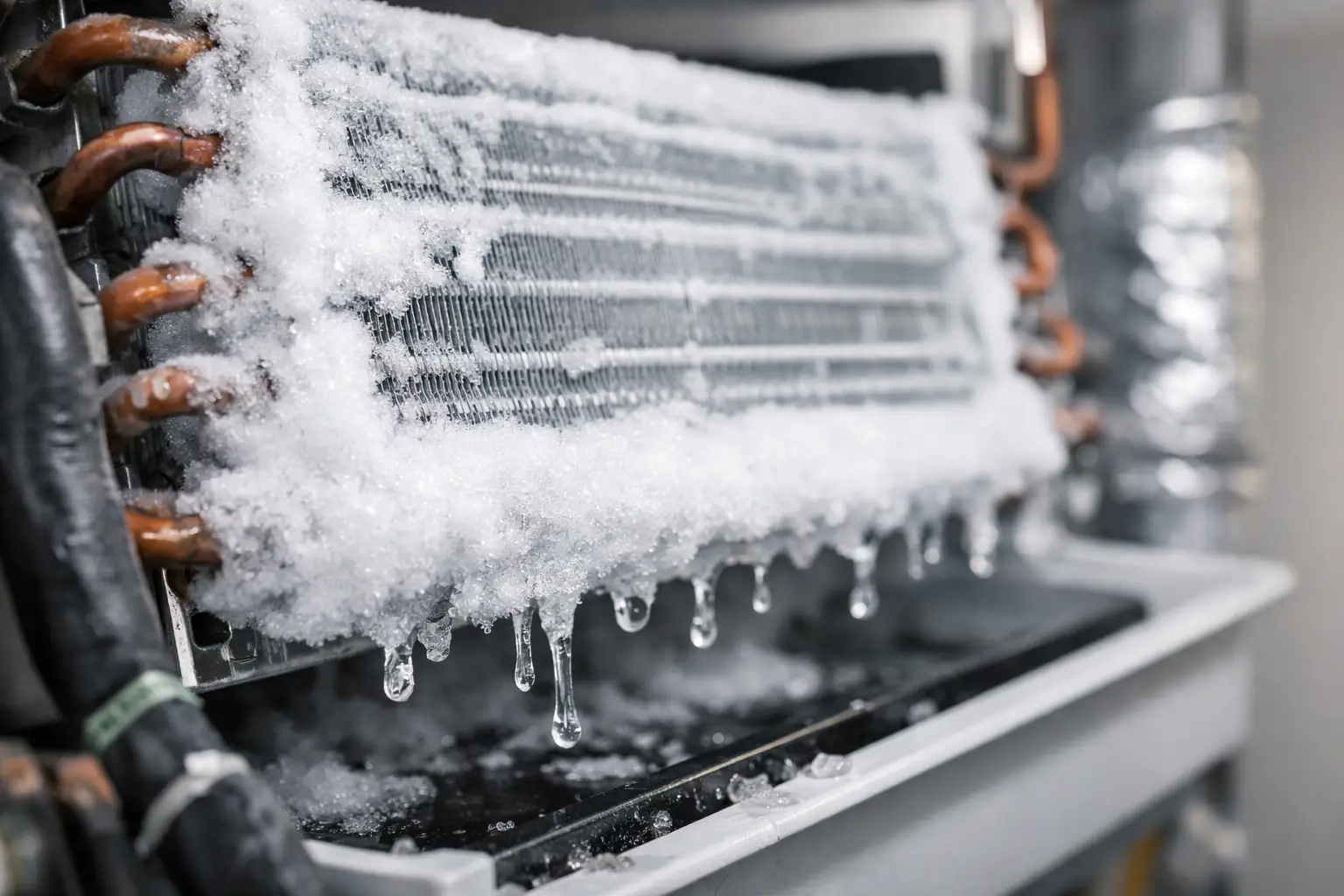
When your AC is running but the house still feels warm, a frozen evaporator coil is often the hidden reason. If you are trying to figure out how to prevent frozen evaporator coils, the short answer is this: keep airflow steady, keep refrigerant levels correct, and fix small performance issues before they turn into an ice-covered coil and a no-cooling call.
A frozen coil is not just a summer annoyance. It puts extra strain on the system, drives up energy use, and can lead to compressor damage if the problem keeps happening. For homeowners and small business owners, prevention is almost always cheaper than emergency repair.
Why evaporator coils freeze in the first place
Your evaporator coil is the part of the system that absorbs heat from indoor air. For that process to work, the coil needs the right balance of airflow, refrigerant pressure, and temperature. When that balance is off, the coil gets too cold, moisture in the air condenses on it, and that condensation can freeze.
The most common cause is restricted airflow. A dirty filter, blocked return vents, a failing blower motor, or a clogged coil can all reduce the amount of warm air moving across the evaporator coil. Without enough heat coming in, the coil temperature drops below freezing.
Low refrigerant is another common trigger. When refrigerant charge is low because of a leak or an improper prior repair, pressure in the coil can fall too much. That changes the coil temperature and makes ice buildup much more likely.
Sometimes the issue is more technical. A malfunctioning thermostat, a dirty blower wheel, a bad fan speed setting, or a condensate problem can also contribute. That is why repeated freezing should be diagnosed, not guessed at.
How to prevent frozen evaporator coils at home or at your business
Preventing a frozen coil starts with basic maintenance, but it does not end there. The goal is to keep the system moving air properly and operating within the conditions it was designed for.
Change the air filter on schedule
If there is one step most property owners can handle on their own, this is it. A clogged air filter chokes airflow and is one of the fastest ways to create coil problems.
Check the filter monthly during heavy AC use. Some filters last longer than others, and homes with pets, dust, or higher occupancy may need more frequent changes. If the filter looks dirty, replace it. Do not wait for a set date if the system is already struggling for air.
It also helps to use the correct filter type. Going too restrictive with a high-MERV filter can create airflow issues in systems not designed for it. Better filtration is not automatically better performance if the equipment cannot handle the added resistance.
Keep supply and return vents open and clear
Closing vents in unused rooms seems like a money-saving move, but it often causes more harm than good. Your HVAC system was designed for a certain amount of airflow. Shutting vents or blocking returns with furniture can throw that off and increase the chance of coil freezing.
Walk through the house or building and make sure vents are open, not covered by rugs, curtains, shelving, or boxes. In commercial spaces, this is especially common after layout changes or storage overflow.
Keep the evaporator coil and blower components clean
Dust buildup on the coil acts like insulation. It reduces heat transfer and disrupts normal operation. A dirty blower wheel can also cut airflow enough to cause icing.
This is where professional maintenance matters. Cleaning an evaporator coil is not the same as wiping down a vent cover. The coil is usually housed inside the air handler or furnace cabinet, and improper cleaning can damage fins or miss the actual problem.
If your system has a history of freezing, coil condition should be part of the inspection, not an afterthought.
Refrigerant issues need more than a quick top-off
A lot of people hear “frozen coil” and assume the unit just needs refrigerant. Sometimes it does have a low charge, but refrigerant does not get used up like gas in a car. If it is low, there is usually a leak or an installation issue.
Adding refrigerant without finding the cause is a temporary patch. The system may cool again for a while, but the same problem usually returns. Worse, repeated low-charge operation can damage major components.
Watch for signs of low refrigerant
You may notice weak cooling, longer run times, hissing near the indoor or outdoor unit, or ice on the refrigerant lines. Those signs do not confirm low refrigerant by themselves, but they are a reason to get the system checked.
Accurate diagnosis matters here. Pressure readings, temperature measurements, superheat, subcooling, and leak detection all help determine whether refrigerant is actually the issue. This is one of those problems where a real repair beats a guess every time.
Thermostat settings and run conditions matter too
Setting the thermostat extremely low does not cool the space faster. It only tells the system to run longer. If the unit already has airflow or refrigerant issues, extended run time can make coil freezing worse.
In most homes and light commercial spaces, a normal cooling setpoint is not a problem by itself. The real concern is a system that is already operating on the edge. That is why one property can run all summer with no issue, while another freezes up after a few very hot days.
Avoid running the AC when conditions are not right
If the system is showing signs of poor airflow, making unusual noises, or producing weak cooling, do not keep forcing it to run. That often turns a manageable repair into a bigger one.
Also, if you see visible ice on the indoor coil or refrigerant line, shut the system off and let it thaw before service. Running it frozen can flood the compressor with liquid refrigerant and create expensive damage.
Drainage and humidity can play a role
Your evaporator coil removes moisture as well as heat. If the condensate drain is clogged or the system is dealing with unusual humidity loads, moisture can accumulate where it should not.
Drain issues do not cause every frozen coil, but they can add to the problem. A maintenance visit should include checking the drain pan, drain line, and overall moisture removal performance. In humid North Carolina conditions, that is not optional if you want reliable cooling.
The best prevention is routine maintenance with real diagnostics
If you want the most practical answer to how to prevent frozen evaporator coils, it is scheduled maintenance done by someone who looks for root causes instead of rushing to a sales pitch. A proper service visit should include filter inspection, coil condition, blower performance, refrigerant evaluation, drain checks, and temperature readings that show whether the system is actually operating correctly.
That matters because frozen coils are often a symptom, not the main failure. Replacing equipment when the real issue is airflow, setup, or a neglected component is expensive and unnecessary. On the other hand, ignoring an aging system with recurring low refrigerant can cost you more over time. The right recommendation depends on what testing shows.
For homeowners, annual maintenance before peak cooling season is a smart baseline. For commercial properties with longer run hours or more demanding occupancy patterns, more frequent inspections may make sense.
Early warning signs you should not ignore
Most frozen coils give some warning before the system stops cooling altogether. Warm air from the vents, weaker airflow, longer cooling cycles, higher electric bills, or water around the indoor unit can all show up first.
If you catch those signs early, the repair is often simpler. Wait too long, and the system may freeze repeatedly, stress the compressor, or shut down during the hottest part of the week.
That is where an honest HVAC contractor makes a difference. DDL Services approaches these calls the way they should be handled: find the actual cause, explain it clearly, and fix what is broken before talking about replacement.
A frozen evaporator coil usually starts as a small imbalance – a dirty filter, a weak blower, a blocked return, a refrigerant leak, a neglected coil. Paying attention to those details is what keeps your AC dependable when you need it most.