

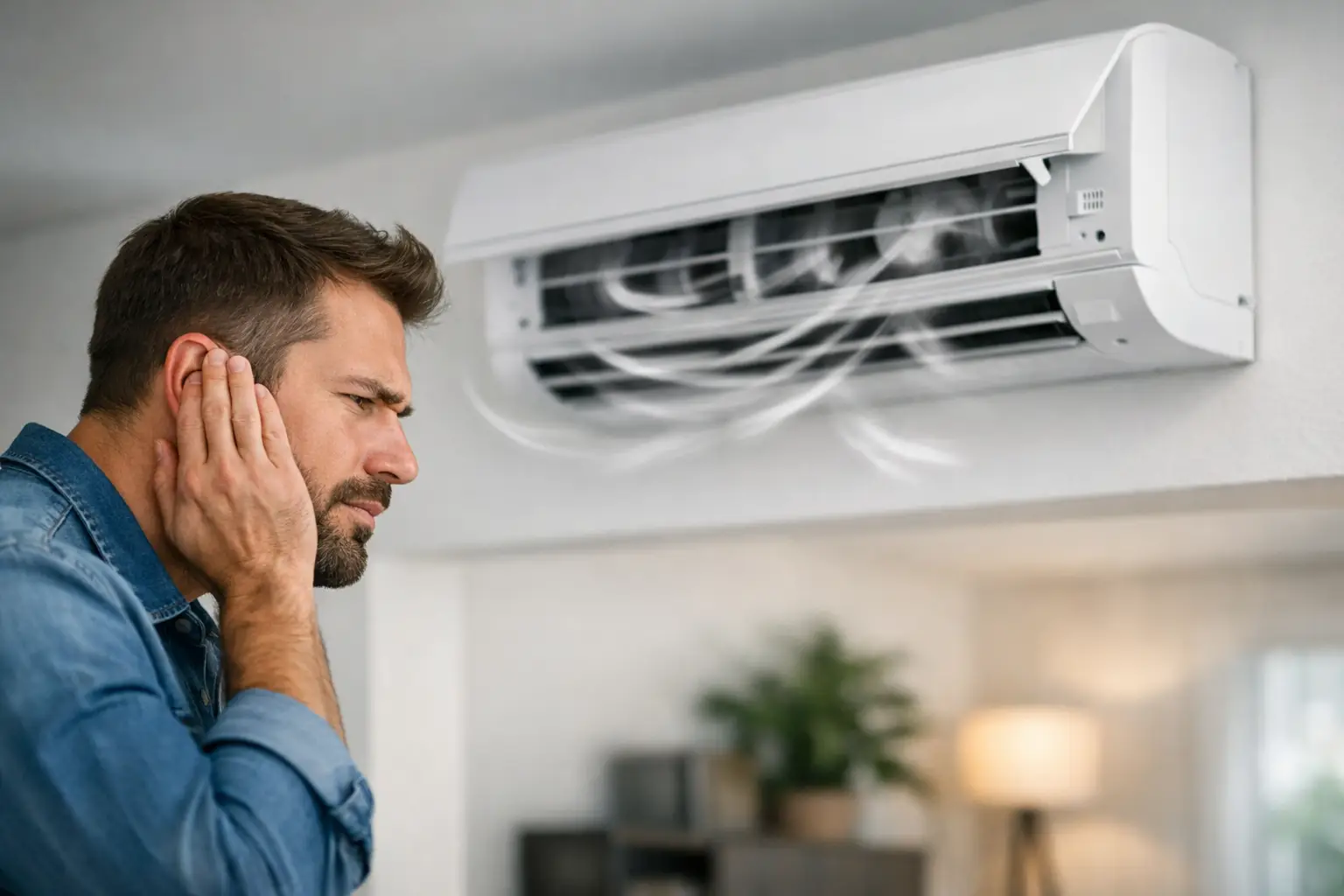
That sudden bang, screech, or rattling from your AC usually gets your attention fast – and for good reason. An air conditioner making loud noise is often telling you something specific is wrong, and the longer it runs that way, the more likely a smaller repair turns into a bigger one.
Some noises are minor. Others point to failing parts, airflow problems, loose hardware, or electrical issues that should not be ignored. The key is not to panic and not to jump straight to replacement. In many cases, the right repair comes down to finding the real cause instead of guessing.
What an air conditioner making loud noise may be telling you
Air conditioners are not silent, but they should sound consistent. A normal system hums, starts up, and cycles off without drawing attention. When the sound changes suddenly or gets louder over time, that change matters.
A buzzing noise can mean electrical trouble, a loose part, or debris around the outdoor unit. Rattling often points to loose screws, a failing fan assembly, or panels that are no longer secured tightly. Banging can be more serious and may suggest a blower component, motor mount, or compressor-related issue.
Screeching and squealing usually involve moving parts. Depending on the system, that could be a worn motor bearing, a damaged fan motor, or belt trouble in certain commercial or older setups. Hissing can indicate an air leak in ductwork, but it can also point to refrigerant issues, which need professional diagnosis.
Clicking is another one that depends on timing. A click at startup or shutdown can be normal. Repeated clicking, especially when the system struggles to turn on, may indicate an electrical control problem like a failing relay or capacitor.
Loud AC noise is not always a replacement issue
This is where a lot of property owners get frustrated. They hear a bad noise, call for service, and worry the next sentence will be, “You need a whole new system.” Sometimes a system is at the end of its life, but noise alone does not prove that.
A loud air conditioner can often be repaired if the actual failure is identified early. A worn contactor, damaged fan blade, loose blower wheel, failing capacitor, or debris caught in the condenser can all create alarming sounds without meaning the entire unit is finished. Good HVAC service starts with diagnosis, not a sales pitch.
That said, there are times when repair does not make financial sense. If the compressor is failing in an older system with a history of major issues, replacement may be the better long-term move. The point is that it should be based on evidence, not pressure.
Noises you can check before calling for service
If your system is still running, there are a few things you can look at safely before scheduling a repair. Keep the inspection basic. If you have to open electrical compartments or get near moving parts, stop there and call a technician.
Start with the air filter. A clogged filter can restrict airflow and put strain on the blower, which sometimes changes the sound of the system. If the filter is dirty, replace it and see whether the noise improves.
Next, look at the outdoor unit. Leaves, sticks, and loose debris can get lodged around the fan cage or cabinet and cause rattling or buzzing. You can also check whether the unit appears level. A shifted pad or tilted condenser can create vibration and extra noise.
Inside, make sure supply vents are open and not blocked by furniture. Closed vents can increase static pressure and make the system work harder. Check around the indoor unit as well. Sometimes what sounds like internal equipment failure is actually a loose access panel vibrating during operation.
If the noise is sharp, metallic, electrical, or suddenly severe, turn the system off. Running it longer can damage expensive components.
When the sound points to a more urgent repair
Some noises should move to the top of your to-do list. Grinding, screaming, hard banging, and loud buzzing paired with poor cooling are signs the system may be damaging itself while it runs.
A grinding motor can seize. A loose blower wheel can break apart. A failing condenser fan motor can overheat the outdoor unit and create pressure problems in the refrigerant cycle. If the compressor is making loud knocking or clanking sounds, continued operation can turn a repair visit into a much larger repair bill.
Electrical sounds deserve extra caution. Buzzing from the disconnect, contactor, capacitor area, or indoor electrical compartment is not something to ignore. If you smell something burning, shut the system down immediately.
For business owners and facility managers, noise matters beyond comfort. A failing rooftop or split system can disrupt occupied spaces, affect customer experience, and create downtime that is much more expensive than the repair itself.
Why your AC gets louder over time
Not every noisy unit goes from quiet to terrible overnight. A lot of systems get progressively louder because wear builds slowly.
Fan motors lose efficiency. Bearings wear down. Mounts loosen. Cabinets vibrate more as hardware shifts. Dirt buildup throws rotating parts off balance. Even normal aging can make startup and shutdown louder than they used to be.
Maintenance helps because it catches those smaller issues before they stack up. Tightening loose components, cleaning coils, checking motors, confirming capacitor performance, and inspecting fan assemblies can prevent the kind of noise that homeowners notice only after it becomes hard to ignore.
That is especially true in the Charlotte area, where long cooling seasons put real strain on AC equipment. Systems that run hard for months at a time will usually show signs of wear if they are not being serviced regularly.
What a technician should be looking for
When an air conditioner making loud noise is inspected correctly, the goal is to connect the sound to the mechanical or electrical reason behind it. That sounds obvious, but it is where rushed service calls often miss the mark.
A proper evaluation should include the indoor and outdoor units, not just whichever side seems louder. Technicians need to check fan motors, blower components, mounting hardware, electrical parts, refrigerant conditions, cabinet integrity, and airflow performance. In some cases, duct issues or poor installation work are amplifying vibration and making a healthy component sound worse than it is.
This is also where honest communication matters. You should be told what failed, what is worn, what can be repaired now, and what may need attention later. If replacement is recommended, there should be a clear reason tied to cost, age, efficiency, or reliability – not a vague statement that the unit is “old.”
Repair or replace? It depends on the cause
There is no honest one-size-fits-all answer here. If the noise comes from a capacitor, fan motor, contactor, loose panel, or blower assembly issue, repair is often the practical option. If the system is otherwise cooling well and the major components are in decent shape, a targeted repair usually makes sense.
If the compressor is failing, the coil is leaking badly, or the unit has repeated breakdowns and poor efficiency, replacement may be the smarter investment. Age matters, but so does condition. A well-maintained older system can still be worth repairing, while a newer but poorly installed system can become a headache early.
That is why diagnosis matters more than assumptions. DDL Services built its reputation around fixing the real problem first, because too many customers have already heard the replacement speech before anyone took the system apart mentally and mechanically.
How to protect the system after the noise is fixed
Once the repair is made, a few habits can help keep the issue from returning. Change filters on schedule, keep the outdoor unit clear of debris, and pay attention when the system sounds different than usual. Strange sounds are easier and cheaper to address early.
It also helps to schedule preventive maintenance before peak summer demand. That gives technicians a chance to catch vibration issues, weak electrical parts, dirty coils, and worn motors before they become after-hours emergencies.
If your AC is making a loud noise now, trust what you are hearing. Equipment rarely gets louder for no reason, and waiting usually does not make the repair simpler. A clear diagnosis from a technician who is focused on repair first can save you money, stress, and a lot of unnecessary guesswork.