

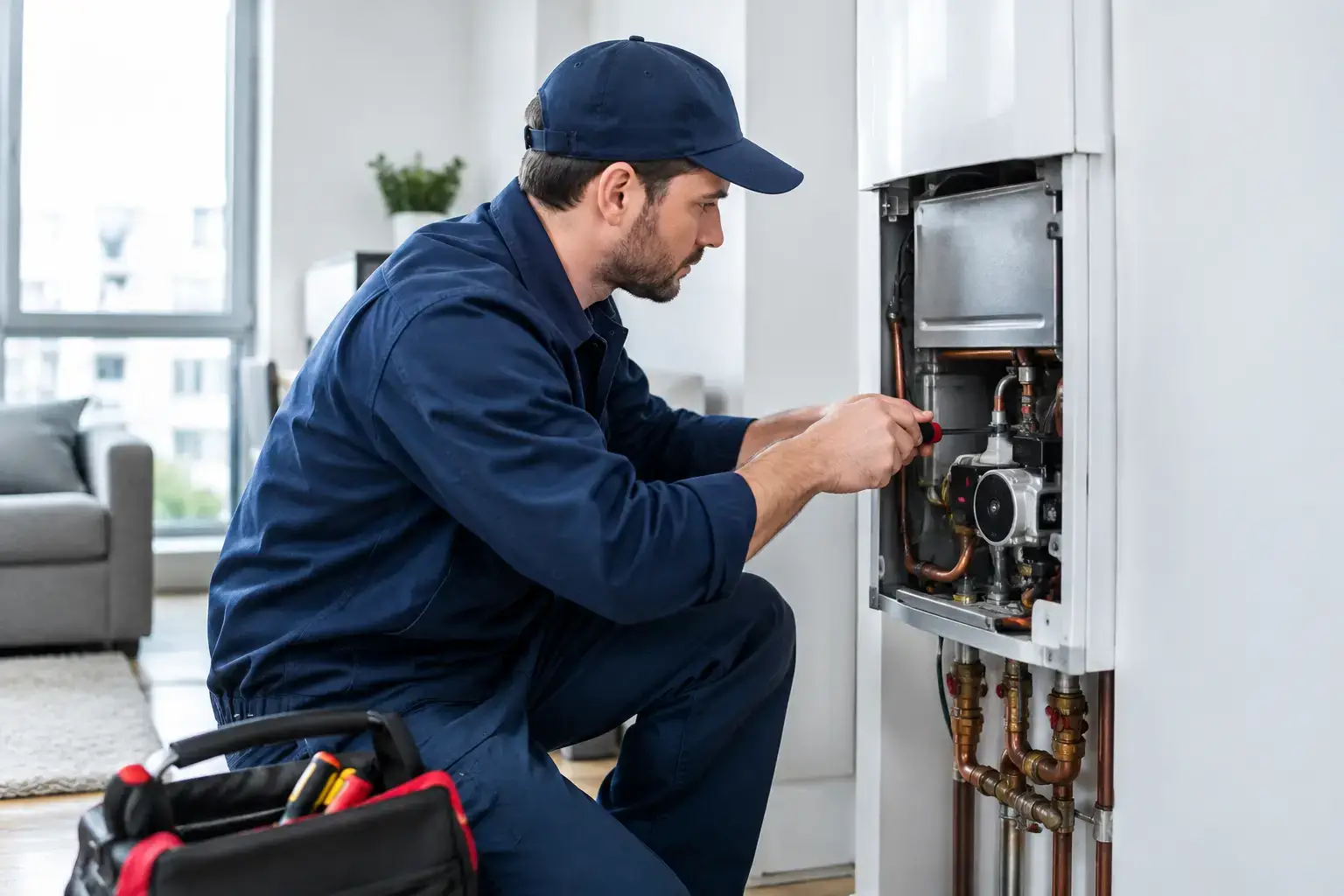
A cold apartment is more than an inconvenience when temperatures drop. It can disrupt sleep, create tenant complaints, put pipes at risk, and leave property owners facing an urgent decision with incomplete information. Proper apartment heating repair starts with finding out why the system is not producing, moving, or holding heat – not jumping straight to a costly replacement recommendation.
For tenants, the first concern is getting warm again. For landlords, property managers, and small commercial operators, the goal is also to restore safe, dependable operation without spending money on repairs that do not address the real failure. Those goals are not in conflict when the diagnosis is done correctly.
Start With the Type of Heating System
Apartment buildings use several heating setups, and the right repair path depends on what serves the unit. A single-family rental with its own furnace has different likely problems than a multifamily building with a central boiler, heat pump, packaged unit, or electric resistance heat.
In many Charlotte-area apartments and condos, a heat pump handles both heating and cooling. When it stops heating, the problem may involve the thermostat, outdoor unit, defrost controls, refrigerant charge, blower components, electrical connections, or auxiliary heat. A gas furnace has its own sequence of operation involving ignition, flame sensing, venting, safeties, and airflow.
That distinction matters. A unit blowing cool air does not automatically mean the equipment is worn out. It may be a failed capacitor, a dirty flame sensor, a thermostat issue, a tripped safety switch, or restricted airflow. Each problem calls for a different repair, and some are far less expensive than replacing major equipment.
Common Apartment Heating Repair Problems
Heating failures tend to show a few recognizable patterns. Knowing the symptom can help a tenant explain the issue clearly and help a property owner understand why a technician needs to test the system rather than guess.
The system will not turn on
If there is no response from the thermostat, start with the basics: confirm the thermostat is set to Heat, the temperature setting is above room temperature, and the electrical panel has not tripped. Dead thermostat batteries, a shut-off switch near the equipment, or a clogged condensate safety switch can stop some systems from running.
If these simple checks do not restore operation, the cause may be electrical, mechanical, or control-related. Furnaces and heat pumps rely on multiple safety controls. Bypassing those controls is never a safe fix. A qualified HVAC technician should identify which part of the sequence is failing and why.
The apartment has airflow, but the air is cold
Cool air from the vents is a common complaint, particularly with heat pumps. During normal operation, heat pumps may blow air that feels less hot than a gas furnace, but it should still raise the indoor temperature. If the home is getting colder or cannot reach the thermostat setting, there is a problem worth checking.
A heat pump may be stuck in defrost, low on refrigerant, unable to bring on auxiliary heat, or dealing with an outdoor unit issue. With a gas furnace, cold air can result when the blower runs but the burners fail to ignite or stay lit. A dirty flame sensor is one possibility, but proper testing is needed before treating it as the answer.
Heat comes and goes
Intermittent heating is frustrating because the system may work while someone is looking at it, then fail overnight. Loose wiring, a failing thermostat, an overheating limit switch, a weak capacitor, or a dirty filter causing poor airflow can all contribute.
This is where an accurate service visit matters most. Replacing parts based on a one-time symptom can waste money. A technician should inspect operating conditions, error codes when available, electrical readings, airflow, temperature rise, and the condition of key components before recommending a repair.
Some rooms are cold while others are comfortable
Uneven heating does not always mean the main HVAC equipment is failing. Closed or blocked vents, dirty filters, duct leaks, poor duct design, insulation gaps, and airflow balancing problems can make certain rooms uncomfortable. In apartments, furniture placement and blocked returns are also common causes.
If the entire apartment is cold, focus on the heating equipment first. If only one room or one side of the unit is uncomfortable, the issue may be distribution rather than heat production. The repair approach changes accordingly.
What Tenants Can Safely Check Before Calling
Tenants should not open furnace panels, handle gas connections, reset breakers repeatedly, or attempt electrical repairs. But a few safe observations can speed up the service process.
Check that the thermostat is set correctly, replace batteries if applicable, and make sure supply vents and return grilles are not blocked by furniture, rugs, or storage. If the filter is accessible and clearly dirty, notify the property owner or manager. A severely restricted filter can reduce airflow, trigger safety shutoffs, and make heating performance worse.
Pay attention to what the system is doing. Is it completely silent? Does it click but not start? Does it run continuously? Is there a burning smell, unusual rattling, or water around the unit? These details give a technician useful direction.
If you smell gas, leave the area, avoid switches or open flames, and contact the gas utility or emergency services from a safe location. Do not try to troubleshoot a suspected gas leak yourself.
When a Heating Repair Is an Emergency
Not every loss of heat requires a middle-of-the-night call, but some situations should not wait. A complete heating failure during freezing conditions can put residents, pets, plumbing, and the building at risk. This is especially true for young children, older adults, and anyone with health conditions affected by cold temperatures.
Call for urgent help when there is no heat in cold weather, a gas odor, visible smoke, sparking, a carbon monoxide alarm, repeated breaker trips, or water leaking near electrical components. Turn the system off if it is making loud grinding noises or producing a burning electrical smell.
For property managers, quick response also prevents a small issue from becoming a larger claim. Frozen pipes, water damage, and displaced tenants cost more than a timely repair visit.
Repair or Replacement? Make the Decision With Facts
A heating system does not need replacement simply because it failed once. Age matters, but it is not the only factor. A well-maintained system with a failed electrical component may have years of useful service left. On the other hand, repeated major repairs, unsafe operation, obsolete parts, poor efficiency, or an improperly sized system may justify replacement.
The practical question is not, “Can this be repaired?” Almost anything can be repaired at some price. The better question is whether the repair restores safe, reliable performance at a reasonable cost for the equipment’s condition and expected remaining life.
Ask for a clear explanation of the failed component, what caused it to fail, what the repair includes, and whether there are other concerns that need attention soon. A trustworthy recommendation should give you options and explain the trade-offs without pressure.
For apartment owners, replacement decisions should also consider tenant comfort, downtime, access constraints, equipment matching, and long-term operating costs. Installing the wrong size or type of system can create comfort problems that no amount of service calls will fully solve.
Preventing the Next No-Heat Call
Heating maintenance is not about selling a tune-up for its own sake. It is about catching conditions that commonly lead to failure: dirty filters, weak electrical components, worn blower parts, drainage issues, loose connections, combustion concerns, and heat pump defrost problems.
At minimum, filters should be checked regularly and replaced as needed. The right interval depends on the filter type, household activity, pets, and system runtime. Property managers should also keep records of recurring calls by unit. Repeated complaints can reveal an underlying airflow, ductwork, thermostat, or equipment-sizing issue rather than a series of unrelated failures.
A technician-led inspection before the coldest stretch of the season gives owners and residents a clearer picture of the system’s condition. That is the approach DDL Services brings to heating work: diagnose carefully, explain the findings plainly, and repair what is actually wrong.
When an apartment loses heat, the goal is simple: restore comfort safely and make a repair decision based on evidence, not pressure. The right fix may be small, or it may point to a larger issue. Either way, a clear diagnosis is where dependable heat begins.